
Diastema
Diastema
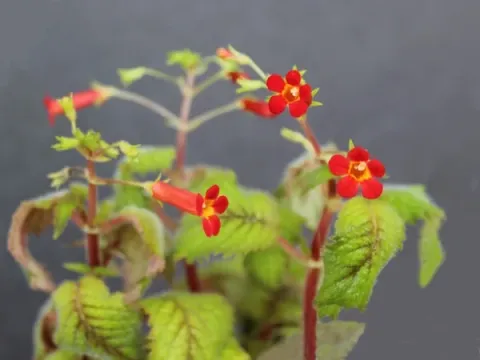
Diastema is a genus of flowering plants belonging to the Gesneriaceae family. These plants are native to the tropical regions of Central and South America, thriving in shaded forest floors.
What the section contains

Diastema
To cultivate Diastema successfully, one must replicate its natural humid environment. It requires high ambient humidity levels and stable temperatures ranging between 20°C and 25°C.
The growing medium must be highly porous and slightly acidic. A mixture of peat moss, perlite, and pine bark is recommended to provide sufficient oxygen to the delicate root system.
Light intensity is critical for the development of the foliage. These plants do not tolerate direct sun exposure, which causes severe leaf scorching and developmental stress.
Watering should be managed with precision using water at room temperature. It is essential to keep the soil moist but never waterlogged to ensure the health of the rhizomes during the dormant phase.
The most common pests affecting Diastema are spider mites and mealybugs. These insects thrive in dry environments and can quickly infest the underside of the foliage.
Fungal infections, particularly root rot, are the primary biological threats when drainage is insufficient. Pathogens like Pythium can compromise the rhizomes very rapidly.
Botrytis, or grey mold, is a common concern in greenhouses with poor ventilation. It manifests as a fuzzy grey growth on the leaves, especially if they remain wet for long periods.
Integrated pest management strategies are recommended, including the use of neem oil for mild infestations and systemic pesticides for more severe outbreaks.
Maintaining high hygiene standards by removing dead leaves and monitoring soil moisture levels significantly reduces the risk of widespread infection within a collection.