
Columnea vedrariensis
Columnea vedrariensis
Description
Growing requirements
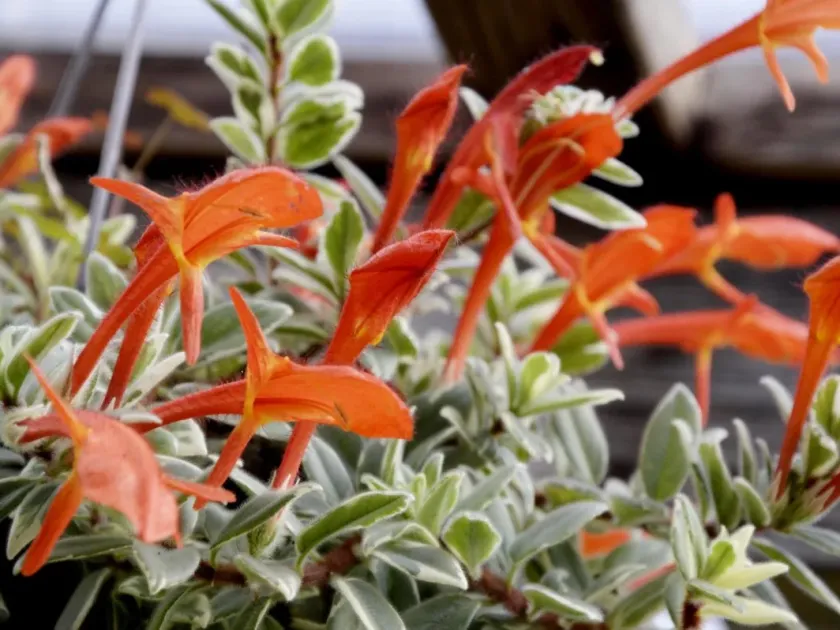
Columnea vedrariensis is a notable hybrid belonging to the Gesneriaceae family. Known for its trailing habit, this species is a popular choice for decorative hanging baskets, reflecting its native origins as an epiphyte in tropical American forests.
Botanically, the plant features long, succulent-like stems and pubescent leaves. These foliage characteristics are adaptations to its natural environment, allowing it to thrive in canopy conditions where moisture availability can fluctuate.
The primary cultivation requirement is a bright, indirect light source. Exposure to direct afternoon sunlight can damage the leaves, while insufficient light levels will significantly inhibit bloom production and cause the plant to become spindly.
A well-draining, aerated substrate is essential. The ideal soil mix for this culture includes components like peat moss, perlite, and pine bark, which provide the necessary structure to prevent compaction around the root system.
Temperature management is critical for health; the plant thrives between 20°C and 25°C. It is intolerant of cold drafts and temperatures below 15°C, which can cause leaf drop and cessation of growth.
Main diseases and pests
The most common pests affecting Columnea vedrariensis are spider mites, especially in low-humidity indoor environments. Mealybugs may also infest the leaf axils, requiring immediate manual removal or treatment.
Root rot, often caused by overwatering or poor drainage, remains the most significant threat to the plant's long-term viability. It manifests as yellowing leaves and wilting despite the presence of moist soil.
To mitigate fungal threats, it is crucial to ensure good air circulation around the plant. This helps to dry the foliage quickly and prevents the colonization of pathogens like gray mold (Botrytis).
Regular monitoring of the underside of the leaves is advised to detect early signs of infestation. Early detection allows for more effective control using mild insecticidal soaps or horticultural oils.
Maintaining a balanced nutrition program with liquid fertilizers during the active growing season strengthens the plant, making it more resilient against both environmental stress and potential pest outbreaks.