
Episcia reptans
Episcia reptans
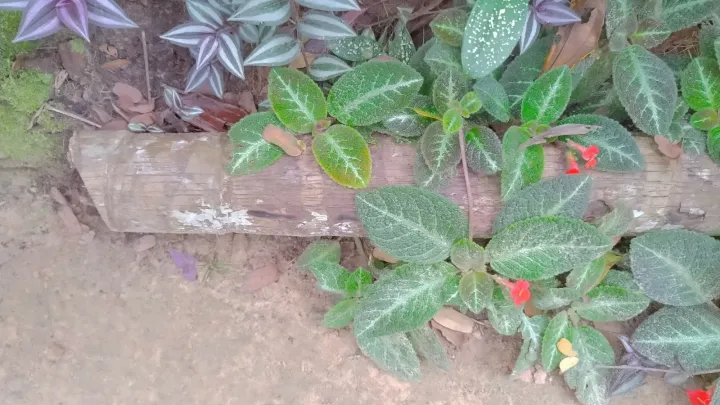
Description
Growing requirements
Episcia reptans, a prominent member of the Gesneriaceae family, is a herbaceous perennial characterized by its stoloniferous growth habit and highly decorative, velvety foliage.
Native to the tropical rainforests of South America, this culture thrives in high-humidity environments with stable, warm temperatures and filtered light typical of the forest floor.
Successful cultivation requires a well-draining, lightweight, and slightly acidic substrate, often composed of peat moss, perlite, and premium leaf mold to ensure optimal aeration.
Temperature management is critical; the species performs best when kept between 20°C and 25°C, as exposure to temperatures dropping below 15°C often leads to metabolic stunting.
Water management involves keeping the substrate consistently moist but never waterlogged, ensuring that the water quality is free of excess salts to prevent root sensitivity and leaf damage.
Main diseases and pests
Common pest threats include mealybugs, spider mites, and whiteflies, all of which thrive in indoor environments with stagnant air or poor ventilation management.
Fungal pathogens such as Pythium or Phytophthora are frequent causes of root rot when irrigation practices lead to prolonged soil saturation, hindering root respiration.
Botrytis blight may affect foliage if environmental humidity remains excessively high without adequate air circulation, leading to the development of necrotic spots on the leaves.
Management of these threats is primarily preventive, focusing on maintaining hygienic cultivation conditions, balanced fertilization, and avoiding mechanical damage to the foliage.
- Monitor for early pest signs on the undersides of leaves.
- Use systemic fungicides only when cultural controls prove insufficient.
- Ensure adequate spacing between plants to reduce the risk of humidity-related pathogens.