
Episcia
Episcia hybrids
Description
Growing requirements
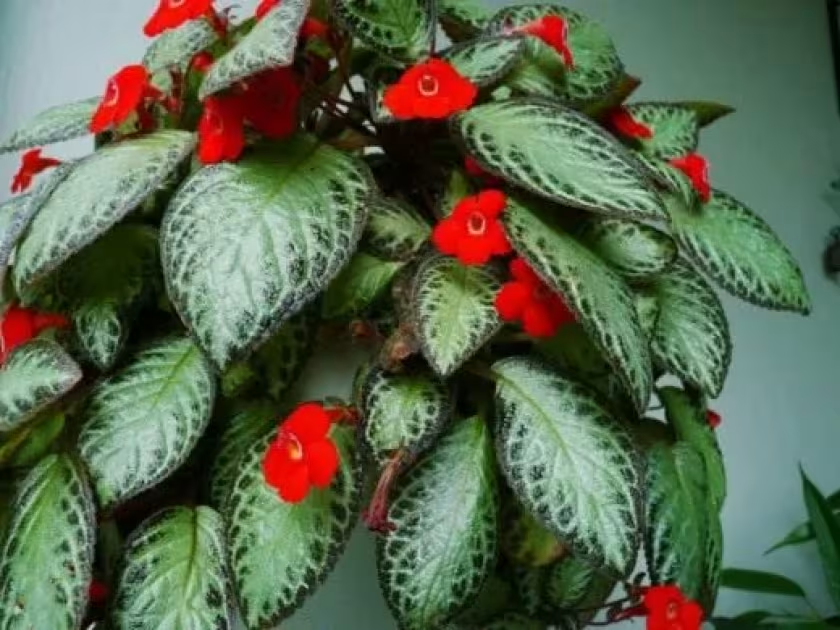
Episcia (Episcia hybrids) is a perennial herbaceous plant belonging to the Gesneriaceae family. Originally native to the tropical regions of Central and South America, these plants typically thrive in the understory of rainforests, adapting to low-light conditions and consistently high atmospheric humidity.
The botanical structure of Episcia features stoloniferous stems that root easily at the nodes, allowing the plant to spread effectively as a groundcover. Its foliage is highly prized for its velvety texture and vibrant, intricate patterns, which include variations of silver, emerald, bronze, and purple hues.
Climatic requirements for successful growth include maintaining a temperature range between +20 and +25 degrees Celsius. These plants are extremely sensitive to thermal shock and drafts, both of which can cause rapid leaf senescence or cessation of growth in the plant's apical meristems.
Soil management for Episcia focuses on high porosity and optimal drainage. A high-quality substrate should consist of fibrous peat, leaf mold, and sphagnum moss, supplemented with perlite to prevent compaction. Proper drainage is essential to protect the fibrous root system from hypoxic conditions caused by waterlogging.
Agronomic practices for these plants emphasize precision in irrigation and environmental humidity management. Using lukewarm, non-chlorinated water is recommended, and direct moisture contact with the foliage should be minimized to prevent cosmetic damage or the development of leaf spot diseases.
Main diseases and pests
Common pests affecting Episcia cultures include mealybugs and spider mites, which exploit the plant's fine leaf hairs. Integrated pest management strategies, involving biological control or targeted acaricide application, are necessary to mitigate infestations during the drier growing seasons.
Pathogenic threats primarily include fungal infections, such as root rot caused by Pythium species, which are triggered by overwatering or poor substrate structure. Sanitation of growing containers and strict adherence to irrigation schedules are the primary preventive measures for these diseases.