
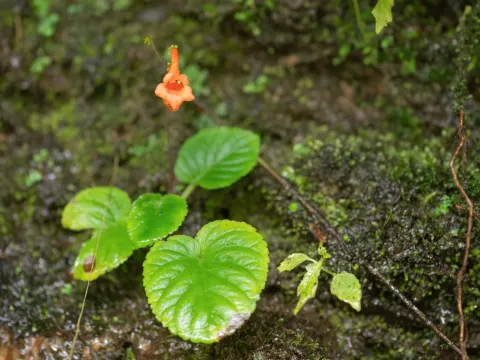
Didymocarpus
Didymocarpus
Didymocarpus is a genus of perennial herbaceous plants within the Gesneriaceae family. These plants are native to the tropical and subtropical regions of Asia, specifically thriving in the humid environments of the Himalayan foothills and Southeast Asia.
What the section contains


Didymocarpus
In terms of agricultural requirements, these plants necessitate a controlled environment. They perform best in filtered or indirect light, as exposure to intense direct sunlight can cause rapid leaf degradation and physiological stress to the plant structure.
The substrate must provide excellent drainage while retaining sufficient moisture. A typical potting mix consists of peat moss, perlite, and decomposed organic leaf mold, ensuring an airy structure that prevents the roots from suffocating in compacted soil.
Maintaining a stable temperature between 18°C and 25°C is critical for sustained development. Didymocarpus is highly sensitive to cold drafts and rapid temperature fluctuations, which can trigger a dormant phase or even lead to tissue death.
Humidity management is an essential aspect of cultivation. The plants thrive in environments with high relative humidity, often requiring the use of professional greenhouse equipment or automated misting systems to maintain consistent atmospheric moisture levels.
Fungal pathogens represent the most significant threat to Didymocarpus, particularly when cultural practices include excessive overhead watering. Diseases like gray mold (Botrytis) and various root rots are common, especially in poor ventilation conditions.
Insects such as spider mites and mealybugs are frequent pests in greenhouse cultivation. These pests target the underside of the foliage, extracting sap and weakening the plant, which may eventually lead to stunted growth or systemic failure.
Integrated Pest Management (IPM) is recommended to mitigate these threats. This includes the use of beneficial insects, such as predatory mites, and the application of targeted horticultural soaps or oils to keep pest populations below the economic injury level.
Regular sanitation of the growing area is crucial to prevent the spread of diseases. Removing dead leaf tissue and cleaning equipment after every maintenance cycle significantly lowers the risk of introducing pathogens into the growing area.
Constant monitoring of the root zone health is vital. If roots become waterlogged, the risk of anaerobic conditions increases, leading to irreversible damage that can rarely be corrected by chemical fungicides alone.