
Weingartia fidaiana
Weingartia fidaiana
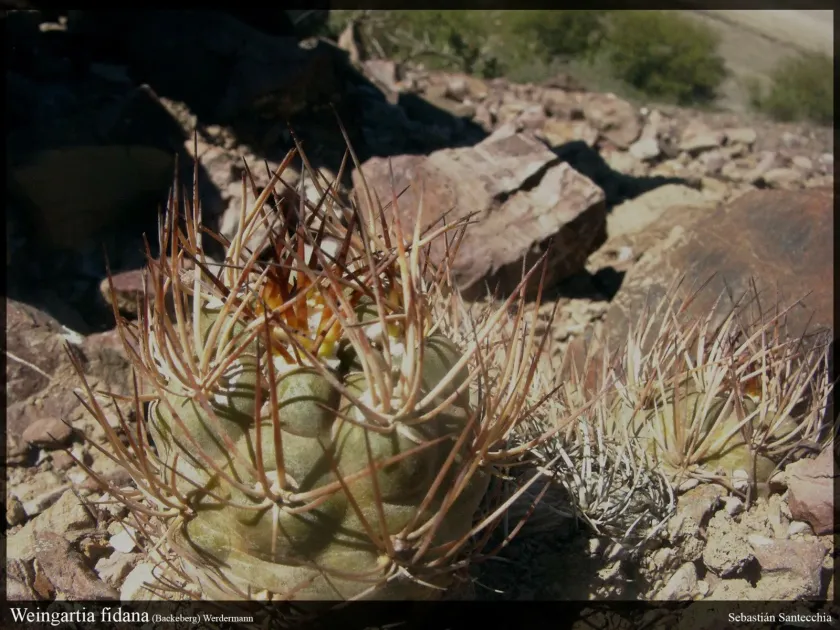
Description
Growing requirements
Weingartia fidaiana is a remarkable species belonging to the Cactaceae family, native to the high-altitude regions of Bolivia. These plants are well-adapted to extreme environments characterized by rocky substrates, intense sunlight, and significant daily temperature fluctuations.
Botanically, the plant presents a globular or slightly flattened body, which is usually solitary or forms small clusters over time. The epidermis is covered in dense spines, and the species is particularly prized for its large, vibrant flowers that emerge from the sides of the stem during the growing season.
The cultivation of this species requires a specific approach that mimics its natural habitat. Key environmental factors include high light intensity, which is essential to maintain the plant's compact shape and stimulate flower production, and a well-ventilated location to prevent heat stress.
The growing medium must be highly porous and inorganic. A mixture of gravel, coarse sand, and a small amount of pumice ensures the necessary drainage, which is the most critical factor in preventing physiological disorders such as root rot in this desert-adapted plant.
Agricultural management involves careful irrigation cycles: watering thoroughly during the warm season but allowing the soil to dry out completely between applications. During winter, the plant requires a cool dormancy period, with temperatures kept low to mimic natural conditions and encourage health.
Main diseases and pests
The most significant threats to Weingartia fidaiana are fungal infections triggered by excessive moisture and poor air circulation. Overwatering is the primary cause of stem collapse and root destruction, often leading to rapid decline in the plant's health.
Pest management should focus on monitoring for spider mites, which thrive in hot, dry conditions and can disfigure the cactus body. Additionally, mealybugs may hide in the crevices between spines, necessitating the use of specialized systemic insecticides to ensure complete protection.