
Weingartia breviflora
Weingartia breviflora
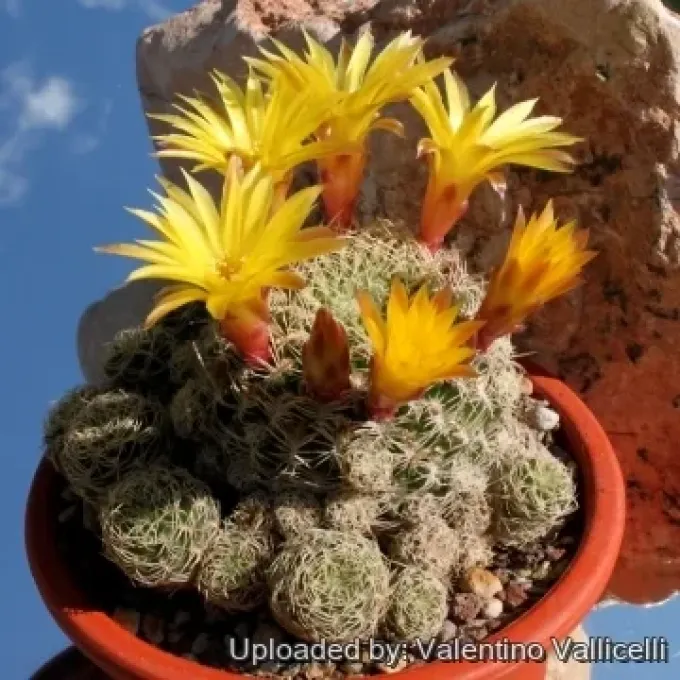
Description
Growing requirements
Weingartia breviflora is a distinct species belonging to the Cactaceae family, native to the high-altitude landscapes of Bolivia. This compact, globose succulent is highly valued by collectors for its unique aesthetic and resilience in arid conditions.
For successful cultivation, the soil medium must be highly porous. A mixture consisting of coarse sand, perlite, and volcanic rock is recommended to ensure rapid water drainage, as the species is highly sensitive to root rot caused by stagnant moisture.
Optimal growth occurs under bright, filtered sunlight. While these cacti enjoy exposure to light, they require some protection from the scorching midday sun in peak summer, which can cause severe sunburn and tissue damage to the epidermis.
Watering protocols should be strictly observational. During the growing season, water only when the substrate has completely dried out. In autumn, watering should be gradually reduced to initiate the dormant phase, which is essential for biological balance.
Winter care is a critical phase for Weingartia breviflora. The plant must be kept in a cool, dry environment with temperatures ranging between 5 and 10 degrees Celsius. This cold period stimulates proper development and prepares the cactus for spring blooming.
Main diseases and pests
Root rot is the most common threat to this species, typically caused by overwatering or using a substrate with poor drainage properties. Once the root system is compromised, it is often difficult to reverse the decay, leading to plant loss.
Common insect pests include mealybugs, which tend to hide in the deep crevices between tubercles. Their feeding habits weaken the plant and can facilitate the introduction of opportunistic pathogens that cause systemic infection.
Spider mites are another significant concern, particularly in indoor environments with low humidity. These pests can rapidly damage the outer skin of the cactus, leaving behind unsightly scabs that remain long after the pest has been eradicated.
Prevention involves maintaining good air circulation and inspecting the plant regularly for early signs of infestation. Quarantining new additions to the collection is a mandatory step to prevent the spread of pests between healthy specimens.
If chemical intervention is necessary, the use of targeted acaricides and insecticides is recommended. Always ensure that the application is performed during the cooler parts of the day to avoid phytotoxic reactions on the plant surface.