
Woolly Joint-Prickly Pear
Opuntia tomentosa
Description
Growing requirements
Opuntia tomentosa, commonly known as the Woolly Joint-Prickly Pear, is a large, tree-like species of the cactus family (Cactaceae). It is distinguished by its velvety, pubescent segments which protect the plant from extreme heat.
Native to Mexico, this species thrives in arid and semi-arid environments. It requires well-draining, sandy or gravelly soil profiles to prevent moisture retention around the root system, which is fatal for the plant.
The plant is highly heliophilic, meaning it requires full, direct sun exposure for most of the day to maintain its structural integrity and health. It is remarkably drought-tolerant, utilizing its succulent tissues to store water for long periods of inactivity.
Ideal cultivation climates are subtropical or tropical. While the plant can withstand occasional light frost, extended freezing temperatures will cause severe damage to the cellular structure of the segments, leading to rot.
Propagation is primarily vegetative. By removing healthy segments (cladodes) and allowing them to callus over before planting, growers can effectively establish new rows of cacti in minimal time.
Yield
The economic value of Opuntia tomentosa lies in its dual-purpose use as both a source of livestock forage during dry seasons and a provider of edible fruits that are highly valued in regional culinary markets.
Fruit production is significant once the plants reach maturity. These fruits are rich in minerals and vitamins, making them a sustainable crop for regions facing increasing desertification and water scarcity.
In addition to food, the plant is a critical host for the cochineal scale insect. Harvesting this insect remains a significant commercial activity, as it produces the natural red pigment known as carmine.
Agricultural yields can be sustained for many years without the need for intensive synthetic fertilizers, as the plant is highly efficient at nutrient uptake from mineral-rich native soils.
The biomass of the plant is also gaining attention as a potential feedstock for renewable energy through anaerobic digestion, showcasing its versatile role in modern agriculture.
Main diseases and pests
Root rot, often caused by Phytophthora species, is the most destructive threat to Opuntia tomentosa plantations. This issue is almost exclusively linked to overwatering or inadequate soil drainage during cooler months.
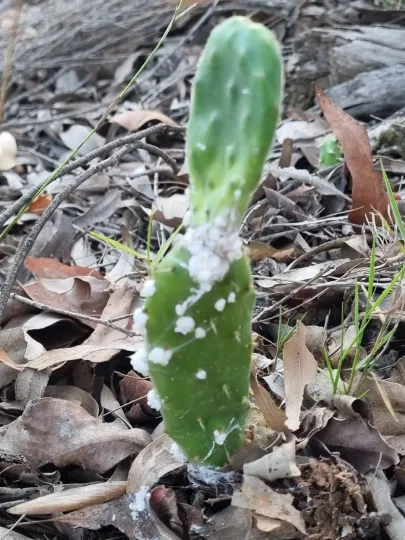
Mealybugs are the most common insect pests encountered in field cultivation. They congregate in the sheltered areas between the segments and at the base of the plant, weakening the host and spreading viral infections.
Red spider mites often target younger, tender growth, especially during periods of extreme dry heat. Their feeding causes aesthetic damage and reduces the photosynthetic surface area of the cactus pads.
Cactus moth larvae (Cactoblastis cactorum) represent a significant biological threat as they tunnel deep into the fleshy tissue. Once established, they can cause complete collapse of the plant segments from within.
Integrated Pest Management (IPM) is essential for successful cultivation. This includes regular field scouting, removing heavily infested segments, and ensuring proper plant spacing to allow adequate airflow and reduce micro-humidity.