
Weingartia neocumingii
Weingartia neocumingii
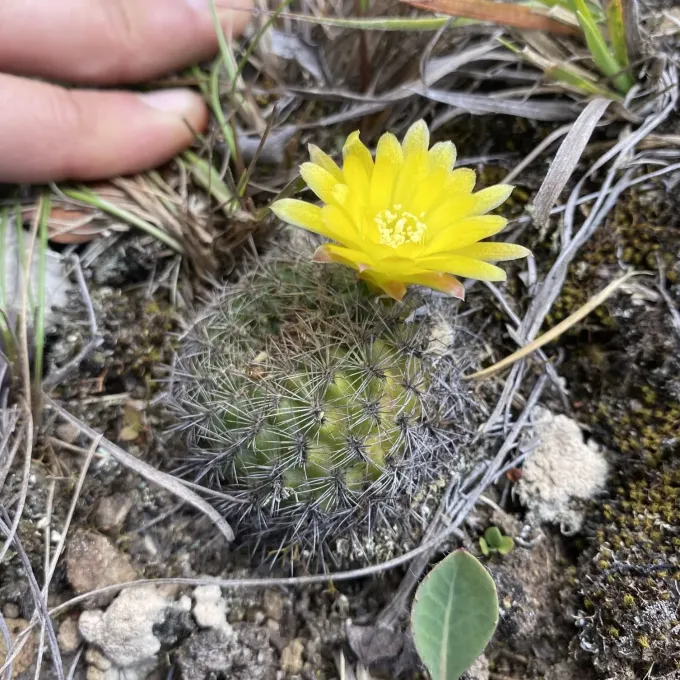
Description
Sowing dates
Seeds of Weingartia neocumingii should be sown in early spring to take advantage of the natural increase in day length, which promotes healthier seedling development.
A well-draining, sterile substrate consisting of fine sand, perlite, and a small amount of peat moss is ideal to prevent fungal contamination during germination.
The germination process requires a consistent temperature between 22 and 25 degrees Celsius, maintaining a humid environment through covered trays.
Once the seedlings show their first spines, it is crucial to gradually introduce ventilation to harden the young plants before the final transplantation.
Proper spacing during sowing prevents competition between seedlings and ensures that each individual plant develops a robust, healthy root system early on.
Growing requirements
Weingartia neocumingii is a member of the Cactaceae family, originating from the high-altitude regions of Bolivia, where it has adapted to intense UV light and cool nights.
This species demands high light exposure to maintain its characteristic compact, globular shape and to encourage the production of its vibrant, funnel-shaped flowers.
The soil mixture must be extremely porous to ensure that water drains away quickly, as the roots are highly susceptible to rot when kept in damp conditions.
During the growing season, watering should be deep but infrequent, allowing the substrate to dry out completely before providing the next hydration cycle.
Winter dormancy is essential for this plant; it requires cool, dry conditions with temperatures around 10 degrees Celsius to mimic its natural environmental cycle.
Main diseases and pests
Root rot is the most significant threat to this cactus, caused almost exclusively by overwatering or soil that lacks adequate aeration and drainage properties.
Spider mites are common pests that thrive in dry environments and can quickly damage the skin of the cactus, leaving behind unsightly discolored patches.
Mealybugs represent another major concern, as they hide in the deep grooves of the cactus ribs, feeding on plant sap and weakening the overall structure.
Fungal infections can develop in high-humidity conditions with poor airflow, leading to soft spots that can compromise the structural integrity of the plant.
To keep the plant healthy, growers should monitor for any signs of pest infestation regularly and apply organic or chemical treatments as necessary to control outbreaks.