
Uebelmannia buiningii
Uebelmannia buiningii
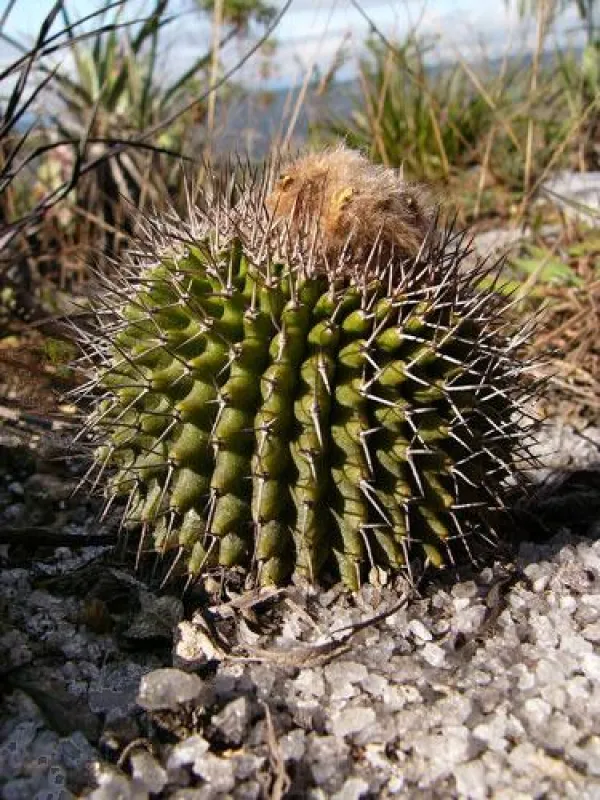
Description
Sowing dates
Propagation of Uebelmannia buiningii is primarily achieved through seeds, which require specific preparation and controlled environmental conditions for successful germination.
The seeds are sown in a sterilized, fine-grained substrate composed of sand, pumice, and a small portion of peat. High humidity must be maintained inside a propagation chamber.
Optimal germination temperatures range between 25 and 30 degrees Celsius. Providing consistent bottom heat significantly improves the speed and percentage of successful germination.
Once the seedlings are large enough to handle, they are transplanted into individual small pots. This stage requires careful management of irrigation to prevent seedling collapse.
As slow-growing plants, seedlings demand patience. Ensuring proper air circulation during the early growth phase is critical to preventing damping-off disease in the nursery.
Growing requirements
Uebelmannia buiningii is a distinct member of the Cactaceae family, natively found in the specific microhabitats of Minas Gerais, Brazil, characterized by rocky outcrops.
The species thrives under bright, filtered light. Protecting the plant from harsh, direct afternoon sun during the peak of summer is necessary to prevent skin scorching.
The soil must be highly inorganic, featuring a mix of coarse sand, perlite, and small gravel to ensure rapid water drainage and prevent any moisture stagnation around the roots.
Irrigation must be precise; the growing medium should be allowed to dry out completely between waterings. Use slightly acidic, soft water to mirror the natural habitat conditions.
During the winter months, the plant enters a dormant phase. During this time, temperatures should be kept around 12–15 degrees Celsius with minimal to no irrigation provided.
Main diseases and pests
The primary threats to Uebelmannia buiningii in a domestic or nursery setting include root rot, which typically stems from improper substrate aeration or excessive moisture.
Pests such as mealybugs and spider mites frequently target the plant. These insects thrive in stagnant air, making consistent ventilation a vital preventive measure.
Monitoring for signs of pest infestation includes checking the crown and the base of the plant for white cottony deposits or fine webbing, indicating mealybugs or mites.
Treatment involves using systemic insecticides or specialized acaricides. It is essential to apply these treatments during the early stages of infestation to save the specimen.
To avoid recurring issues, maintain a rigorous hygiene schedule. This involves sterilizing tools after pruning and ensuring that the pots have efficient drainage holes.