
Uebelmannia pectinifera
Uebelmannia pectinifera
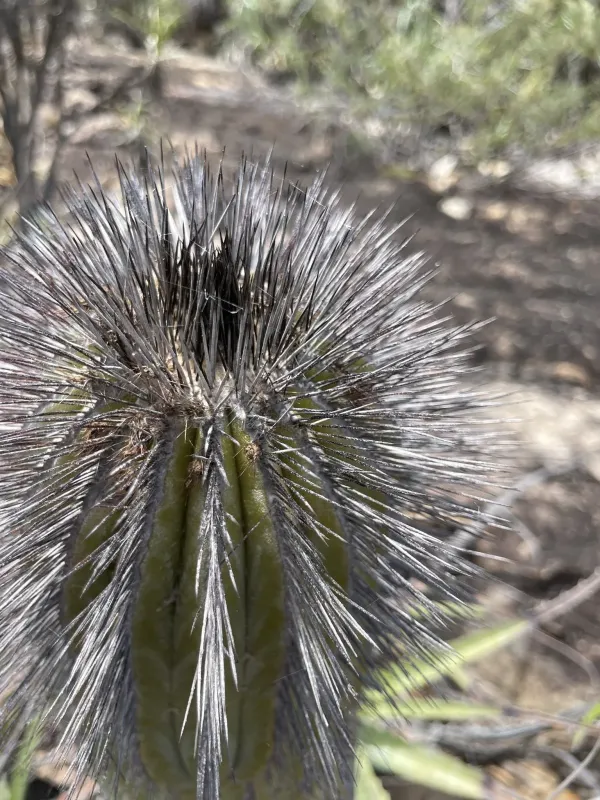
Description
Sowing dates
Seeds of Uebelmannia pectinifera should be sown in early spring to utilize the increasing natural light cycle. A sterile, fine-textured substrate composed of sand and peat is essential for successful germination and early growth.
Maintaining a temperature between 25 and 30 degrees Celsius is critical, often requiring a heat mat to ensure consistent warmth. The soil surface must remain consistently moist but not saturated during the initial phase.
Covering the seed tray with a clear lid or plastic film helps create the necessary humidity for sprout emergence, which typically takes several weeks. Regular ventilation is vital to prevent fungal growth, such as damping-off.
Once seedlings have emerged, they require high light intensity but must be protected from direct sunlight to prevent scorching. Slow development is natural for this species, requiring patience from the grower.
Transplanting (pricking out) should only be attempted when the plants are robust enough to handle the stress, usually after a full year of growth in the initial container.
Growing requirements
Uebelmannia pectinifera belongs to the Cactaceae family and is native to the Minas Gerais region of Brazil. Its natural habitat, characterized by rocky, quartz-rich soils, dictates its specific requirements for cultivation.
This species demands bright, filtered light throughout the growing season to maintain its characteristic compact shape and vibrant epidermal coloration. Excessive shading will cause the plant to etiolate and become susceptible to disease.
The potting medium must be highly porous and slightly acidic, incorporating coarse sand, pumice, and minimal organic matter. Excellent drainage is the single most important factor for long-term health.
Temperature management is key; the plant thrives at 22-28 degrees Celsius during the summer, while winter dormancy requires cooler conditions between 12-15 degrees with almost complete drought.
Proper air circulation is necessary at all times to prevent the buildup of humidity, which can quickly lead to physiological stress and the development of rot in this sensitive cactus.
Main diseases and pests
Root rot is the most common threat, usually caused by overwatering or poorly draining soil mixtures. Early intervention, including re-potting into a drier medium, is necessary if rot is detected at the base.
Mealybugs are a frequent pest, often lodging within the dense spine clusters where they are difficult to reach. Systemic insecticides or careful mechanical cleaning with alcohol-dipped tools are common control methods.
Spider mites can occur in excessively dry environments with poor airflow. They cause unsightly scarring on the skin, which is permanent and detracts from the plant's aesthetic value.
Preventative measures include regular inspection of the crown and spine areas, combined with good greenhouse hygiene. Never allow the plant body to remain in contact with damp soil for extended periods.
- Use of systemic insecticides for pest management.
- Regular inspection for signs of stress or pest colonization.
- Strict adherence to the seasonal watering schedule.
- Use of sterilized pots and soil components.