
Trichocereus macrogonus
Trichocereus macrogonus
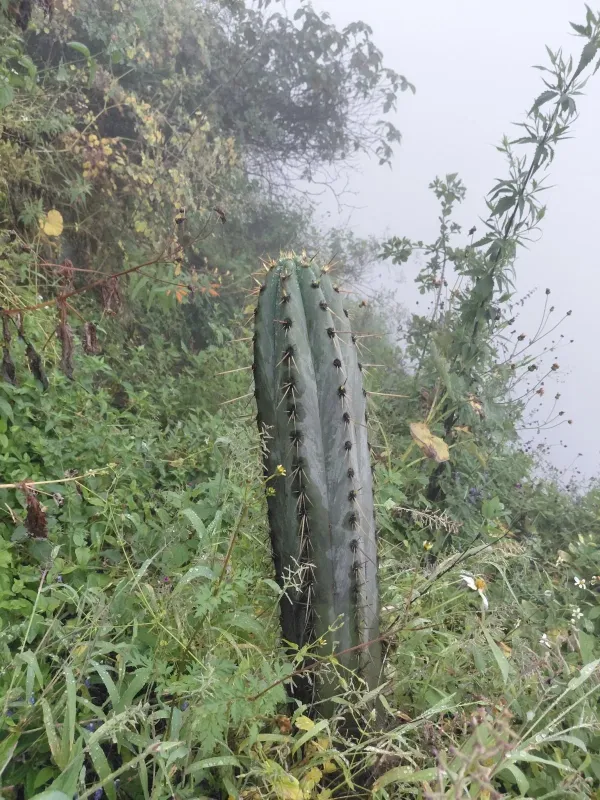
Description
Sowing dates
Propagation of Trichocereus macrogonus is primarily achieved through stem cuttings. The process should ideally take place in late spring when the plant's growth cycle reaches its peak.
Cuttings must be dried in a well-ventilated, shaded area for about a week before being placed in a porous rooting medium. This allows a protective callous to form, reducing the risk of rot.
When propagating from seeds, sow them in a sterile, sandy substrate. Maintain a constant temperature between 22°C and 25°C to ensure a high germination rate for the seeds.
Seedlings should be kept in a high-humidity environment under transparent covers until they reach a sufficient size. Gradual acclimatization to lower humidity levels is crucial for survival.
Young plants require consistent monitoring for dampness. Avoid excessive soil moisture, which is the most frequent cause of seedling loss during the early stages of development.
Growing requirements
Trichocereus macrogonus is a columnar cactus belonging to the Cactaceae family, natively distributed across the high-altitude regions of Bolivia and Argentina.
This species demands full sun exposure to maintain its structural integrity. In indoor cultivation, providing at least 6–8 hours of direct light daily is essential for healthy growth.
The substrate must be highly mineral-based with excellent drainage properties. A mix of coarse sand, perlite, and small gravel is recommended to mimic the plant's natural habitat.
During the growing season, temperatures between 20°C and 30°C are preferred. A dry, cool dormant period in winter at temperatures around 10°C is necessary for future blooming.
Fertilization should be handled sparingly using specialized cactus fertilizers. Excessive nitrogen should be avoided as it leads to soft, weak growth that is prone to disease.
Main diseases and pests
Root rot is the most significant threat to the health of this cactus. It typically occurs due to poor soil drainage or over-watering, especially during the winter months.
Common pests include spider mites and mealybugs. These organisms can cause significant damage to the epidermis of the stem, often leaving permanent scars on the plant.
Regular inspection of the stem ribs and areoles is necessary to detect early infestations. Biological or chemical control measures should be applied immediately upon discovery.
Fungal infections often manifest as dark, mushy spots on the stem. If detected, affected areas should be excised with a sterile blade, and the wound must be treated with a fungicide.
To ensure a healthy environment, maintain adequate ventilation around the plants, as stagnant air promotes the development of fungal spores and pest colonization.