
Lepismium cruciforme
Lepismium cruciforme
Description
Growing requirements
Lepismium cruciforme is a distinctive member of the Cactaceae family, known for its unique trailing habit. As an epiphyte, it naturally inhabits the tropical forests of South America, including Brazil and Argentina, where it grows on trees and rock faces.
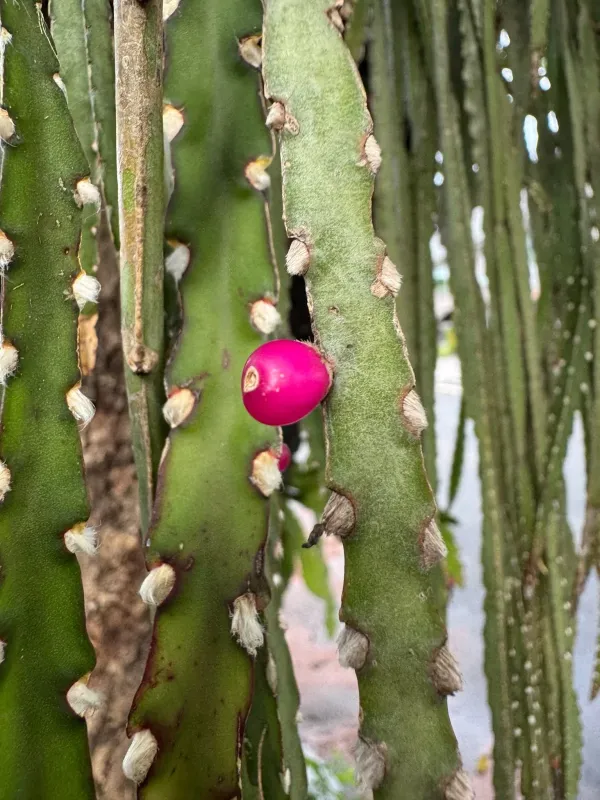
The plant features succulent, segmented stems that often develop a cross-shaped cross-section, from which its specific epithet is derived. It thrives in filtered light, making it an excellent candidate for semi-shaded interior environments where bright, indirect sunlight is available.
For agricultural and horticultural success, the soil must be well-draining, mimicking the forest floor detritus. A mix containing peat moss, pine bark, and perlite provides the necessary structure and aeration to support the root system without causing waterlogging.
Climate requirements include high humidity and a consistent temperature range between 18°C and 25°C. In the winter months, slightly cooler temperatures are beneficial to simulate the natural dormant period and to encourage robust flowering in the following spring.
Watering should be balanced; the substrate should be allowed to dry slightly between waterings, but the plant should never be allowed to dehydrate completely. During the peak growing season, regular misting helps maintain the microclimate necessary for optimal vigor.
Main diseases and pests
The most common pests affecting Lepismium cruciforme are mealybugs and spider mites, which thrive in low-humidity indoor environments. These should be managed with insecticidal soap or neem oil applications once infestation is detected.
Root rot, primarily caused by fungal pathogens, is the most critical threat. It stems from improper irrigation practices and poor drainage. To prevent this, ensure that pots have sufficient drainage holes and the medium remains porous throughout the life cycle of the plant.