
Lepismium aculeatum
Lepismium aculeatum
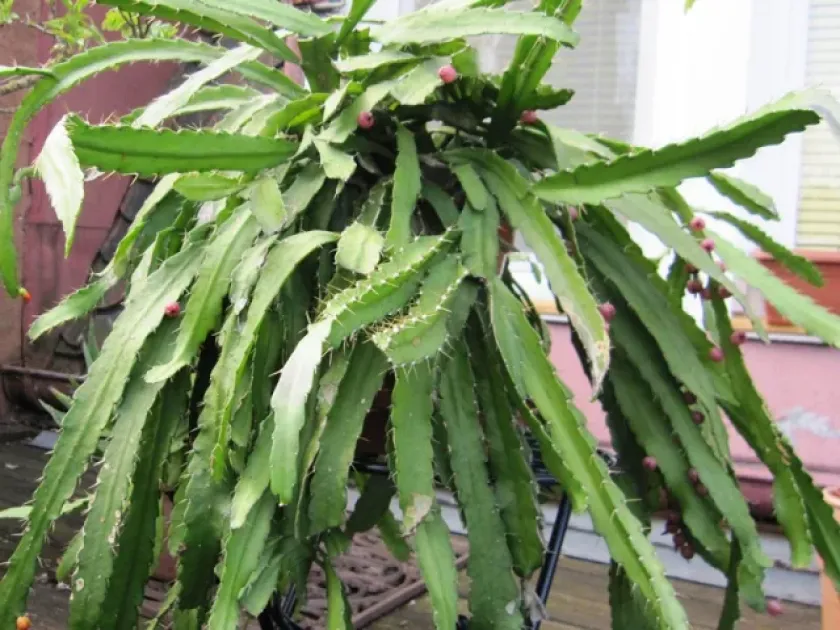
Description
Growing requirements
Lepismium aculeatum is an epiphytic species of cactus belonging to the Cactaceae family. It is native to the tropical regions of South America, where it typically inhabits tree trunks in humid forest ecosystems.
Botanically, the plant features elongated, pendulous stems that branch out significantly. The stems are covered with small, spine-bearing areoles, which are a characteristic feature of this specific genus.
For optimal growth, this culture requires filtered or indirect light conditions. Avoiding direct sun exposure is essential to prevent physiological damage to the stems and to maintain healthy tissue development.
The plant thrives in a well-draining, loose growing medium that mimics the forest floor. A mix rich in organic matter, such as peat or coco coir combined with perlite, is highly recommended for ensuring adequate aeration.
Economically, this species is cultivated primarily for the ornamental plant market. It serves as an excellent candidate for hanging baskets in interior design due to its trailing growth habit.
Main diseases and pests
The most significant pests affecting Lepismium aculeatum are mealybugs, which often hide within the plant's areoles, and spider mites that thrive in low-humidity indoor environments.
Fungal pathogens, particularly root rot, are common threats usually triggered by overwatering or poorly draining soil conditions that prevent the roots from breathing.
Effective management strategies include maintaining consistent humidity levels and ensuring the growing medium dries slightly between watering cycles.
In case of an infestation, the application of horticultural oils or systemic insecticides is necessary to curb the pest population before it affects the plant's structural integrity.
Integrated pest management protocols, including early inspection and sanitation of gardening tools, are crucial for sustaining healthy crop production.