
Lepismium houlletianum
Lepismium houlletianum
Description
Growing requirements
Lepismium houlletianum is a fascinating species of epiphytic cactus belonging to the Cactaceae family. Native to the tropical rainforests of Brazil and Argentina, this plant thrives as an epiphyte, attaching itself to trees and rocks in highly humid environments.
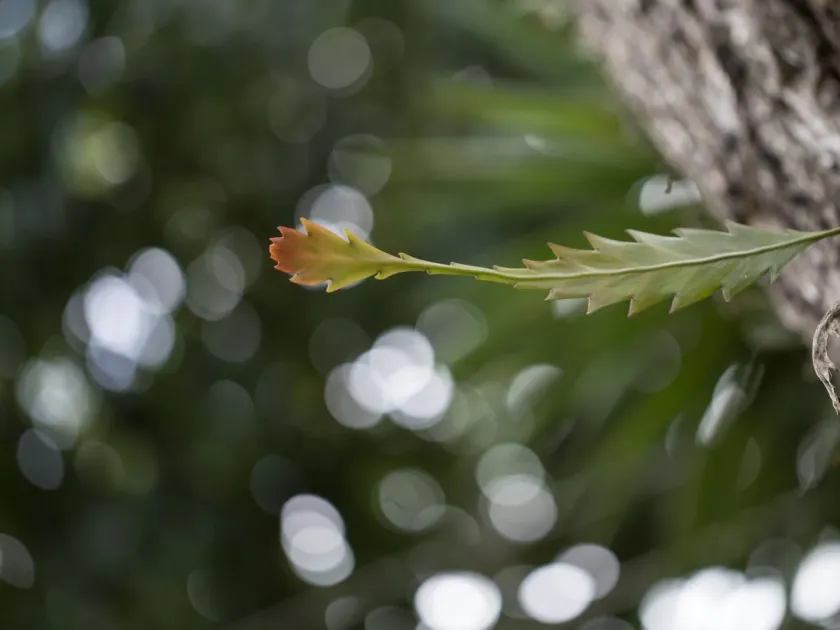
The plant is distinguished by its flattened, serrated, leaf-like stems that hang downwards, forming an attractive cascade. These stems are capable of photosynthesis, while the plant produces small, delicate, bell-shaped flowers that appear in shades of cream and light yellow.
In terms of agricultural requirements, the plant prefers bright, indirect light. Direct sunlight can easily damage the sensitive epidermis of the stems, leading to scorched spots and dehydration, while low light conditions inhibit flowering and cause thin, weak growth.
A well-draining, airy substrate is essential for the health of this cactus. A mix containing peat moss, pine bark, perlite, and a small amount of charcoal effectively mimics the natural environment and prevents compaction of the root system.
The watering regime should be balanced: the soil should remain slightly moist but never waterlogged. During the warmer months, regular misting of the foliage helps to simulate the high humidity levels found in their native tropical habitats, which is crucial for vigorous growth.
Main diseases and pests
Common pests include mealybugs and spider mites, which are particularly attracted to the succulent, segmented stems of the plant. Mealybugs often hide in the joints between segments, requiring manual removal or systemic insecticides for effective control.
Spider mites thrive in dry conditions and can cause significant damage if the ambient humidity is too low. Increasing air moisture and frequent inspections are the best preventive measures to ensure the plant remains free from these infestations.
Root rot is a major threat caused by overwatering or poor drainage. Once the roots begin to rot, the plant shows signs of wilting and stem discoloration; in severe cases, the plant must be re-rooted in fresh, dry substrate to save it.
Fungal infections can also affect the plant if it is kept in stagnant, humid air without adequate circulation. Ensuring proper airflow around the plant helps to prevent the growth of mold and mildew on the surface of the stems.
Regular monitoring for any signs of yellowing or softened stems allows for early intervention, ensuring the long-term health of the Lepismium. Keeping the foliage clean from dust also supports photosynthesis and general plant vitality.