
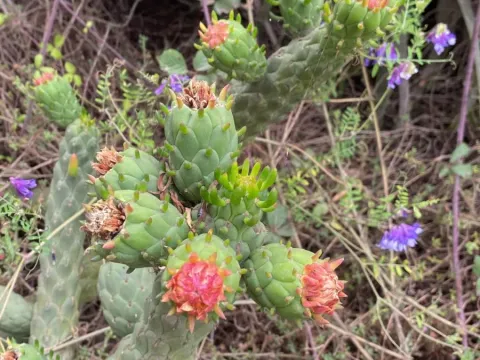
Austrocylindropuntia
Austrocylindropuntia
Austrocylindropuntia is a genus of succulent plants belonging to the Cactaceae family, native to the Andean regions of South America. These plants are characterized by their cylindrical stems and distinctively spiny morphology, which allows them to thrive in high-altitude environments.
What the section contains
 Austrocylindropuntia cylindrica
Austrocylindropuntia cylindrica
Austrocylindropuntia cylindrica
 Austrocylindropuntia floccosa
Austrocylindropuntia floccosa
Austrocylindropuntia floccosa
 Austrocylindropuntia hirschii
Austrocylindropuntia hirschii
Austrocylindropuntia hirschii
 Austrocylindropuntia pachypus
Austrocylindropuntia pachypus
Austrocylindropuntia pachypus
 Austrocylindropuntia salmiana
Austrocylindropuntia salmiana
Austrocylindropuntia salmiana
 Austrocylindropuntia subulata
Austrocylindropuntia subulata
Austrocylindropuntia subulata
 Austrocylindropuntia vestita
Austrocylindropuntia vestita
Austrocylindropuntia vestita
Austrocylindropuntia
Cultivation requires bright, direct sunlight to ensure healthy growth and maintain the plant's structural integrity. When kept in low-light conditions, the stems tend to stretch excessively, becoming weak and prone to bending or breakage.
A well-draining, gritty soil mix is mandatory for these succulents to prevent root rot. A suitable substrate should consist of coarse sand, perlite, and a small portion of potting soil to mimic the arid, stony environment of their native habitat in the Andes mountains.
During the growing season, temperatures between 20°C and 30°C are ideal for promoting steady development. However, during the winter dormancy period, the plant requires a cooler environment with temperatures around 5°C to 10°C to facilitate successful flowering later on.
Watering should be approached with caution: only water the plant when the soil is completely dry throughout the pot. During winter, reduce watering to an absolute minimum to prevent waterlogged roots, which can lead to quick decay and sudden plant death.
Mealybugs are the most common pests affecting Austrocylindropuntia. These sap-sucking insects often hide in the crevices between spines, so regular inspection is necessary. Using neem oil or systemic insecticides can effectively manage infestations.
Root rot is the most prevalent threat, caused by improper watering and heavy, non-porous soil mixtures. Once the roots are affected, the plant often cannot be saved, making preventative care and proper soil drainage the most important aspects of cultivation.
Spider mites may appear during periods of extremely dry, stagnant air. While they are less common than mealybugs, they can cause visible scarring on the stem epidermis, which significantly detracts from the plant's aesthetic value and health.
Fungal infections can arise if the stems remain damp for extended periods, especially during cool, humid weather. Maintaining good airflow around the plant is crucial to preventing the development of these opportunistic pathogens on the stem surfaces.
Physical injuries during handling or repotting can expose the plant to soil-borne pathogens. It is recommended to handle these cacti with thick gloves and allow any accidental cuts or abrasions to dry and callus over before bringing them into contact with moist soil.