
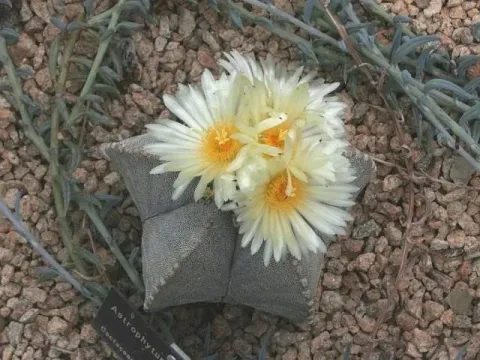
Astrophytum
Astrophytum
Sowing Astrophytum seeds is best performed in early spring, typically from March to April. A stable greenhouse environment with temperatures between 22–28°C is required for optimal germination rates.
What the section contains


Astrophytum
The sowing medium should be porous, sterile, and well-draining, consisting of a mix of sand, perlite, and fine mineral substrates. Sterilizing the soil before sowing is crucial to prevent damping-off diseases.
Seeds are placed on the surface of the moist substrate and should not be buried deep. The containers are covered with plastic film to maintain high humidity levels during the germination phase.
Seedlings need bright but indirect light in the first few months. Gradually increasing light intensity helps acclimate the young cacti, while careful ventilation prevents fungal outbreaks within the seed trays.
Pricking out the young plants should be done once they reach a sufficient size, usually a few months after germination. Care must be taken to minimize root damage during this sensitive transition.
Astrophytum is a genus within the Cactaceae family, native to the arid deserts of Mexico and Southern USA. Known as "star cacti," they are highly sought after by collectors for their unique geometry and white trichome patterns.
These plants require intense, direct sunlight to maintain their characteristic shape and health. Insufficient light results in etiolation, where the cactus stretches and becomes pale, permanently damaging its structure.
Soil requirements involve a gritty, mineral-heavy substrate with excellent drainage capabilities. A mixture of horticultural grit, coarse sand, and a small amount of organic leaf mold is generally considered ideal for the genus.
Watering must be very sparing, allowing the substrate to dry out completely between sessions. During the active growth season, water should be applied only when the plant shows signs of mild dehydration.
Winter dormancy is essential for the health of Astrophytum. During this time, the temperature should be kept between 10–12°C, and all watering should cease to prevent root rot and stimulate future blooming.
Mealybugs are the primary pest for Astrophytum, often hiding in the deep grooves between the ribs or around the areoles. Regular inspection and targeted insecticide applications are necessary to keep the infestation under control.
Spider mites can also cause significant damage, especially in dry greenhouse conditions. They leave fine webbing and create discolored, rusty patches on the skin of the cactus, which detract from its aesthetic value.
Root rot, driven by fungal pathogens, remains the leading cause of plant mortality. It is almost always a result of overwatering or inadequate soil aeration, emphasizing the need for a strictly controlled moisture regime.
Preventative measures include using fungicides occasionally and ensuring excellent airflow in the growing area. Any damaged tissue should be removed immediately to prevent the spread of decay to healthy parts of the plant.
Viral infections can occasionally occur, causing localized spotting or stunted growth. Since there is no effective treatment for viral diseases in cacti, infected individuals should be discarded to protect the rest of the collection.