
Austrocylindropuntia cylindrica
Austrocylindropuntia cylindrica
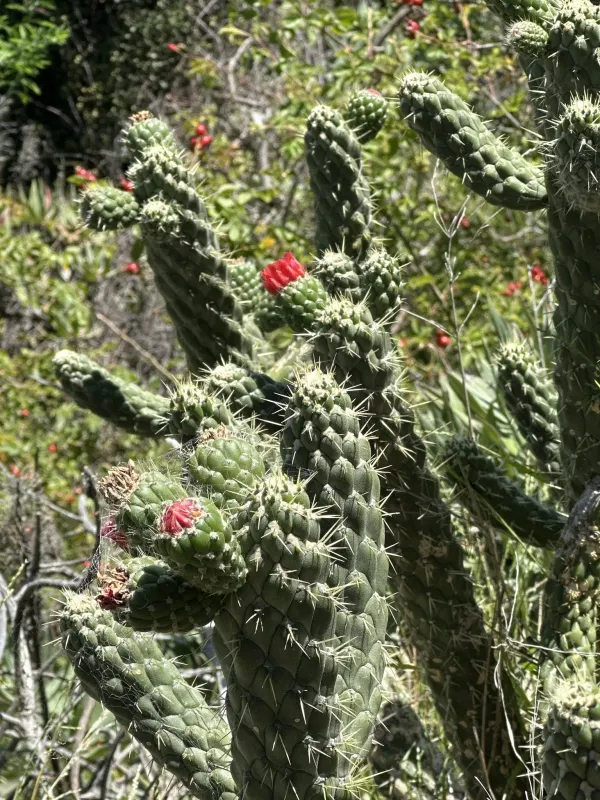
Description
Growing requirements
Austrocylindropuntia cylindrica is a fascinating member of the Cactaceae family, known for its distinct cylindrical stems that can grow quite large in its native Andean habitat. It is highly valued for its structural aesthetic in succulent collections.
The plant originates from the high altitudes of Ecuador and Peru. This environment has shaped its need for bright, direct light and a well-draining substrate that mimics the rocky, mountain soil found in the Andes.
Cultural requirements include a very porous, sandy soil mix. Using standard potting soil without amendments will lead to moisture retention, which is the primary cause of root system failure in this specific species.
Light levels are crucial; without sufficient intense light, the plant will etiolate, causing weak and stretched stems. In indoor conditions, it should be placed in the brightest window available to maintain its dense growth habit.
Temperature management is key: the plant thrives in warm summer temperatures but requires a cool, dry dormancy period during the winter months to encourage spring growth and potential flowering.
Main diseases and pests
Root rot is the most significant threat to this cactus. It is almost always caused by poor drainage or overwatering, especially during the cold winter months when the plant is in its natural state of rest.
Spider mites are a common pest that thrives in dry, indoor environments. They pierce the surface of the cactus skin to feed, resulting in unsightly discolored patches that mar the surface of the stems.
Mealybugs are another persistent threat. These insects hide in the crevices between the tubercles of the stem, covering themselves in a waxy white substance that protects them from direct contact with pesticides.
Scale insects can also infest the stems, appearing as hard, dark bumps. If left untreated, they can weaken the plant by draining its sap and providing entry points for secondary bacterial infections.
Proactive care involves inspecting the plant regularly and ensuring adequate air circulation. If pests are detected, prompt application of appropriate systemic insecticides is necessary to save the plant from decline.