
Austrocylindropuntia pachypus
Austrocylindropuntia pachypus
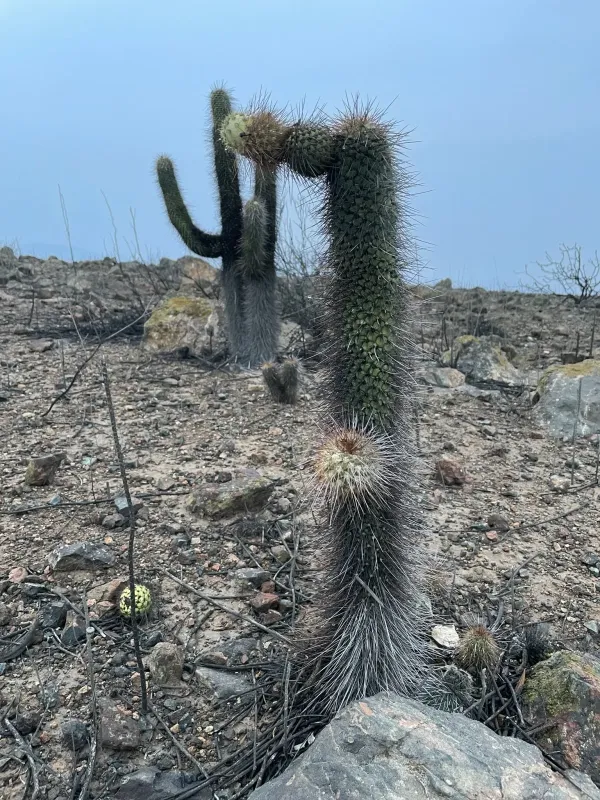
Description
Growing requirements
Austrocylindropuntia pachypus is a fascinating succulent species belonging to the Cactaceae family. Native to the mountainous regions of Peru, it is uniquely adapted to high-altitude environments characterized by intense solar radiation and significant temperature fluctuations.
Botanically, it is recognized by its stout, cylindrical stem which is densely covered with small spines. As the plant matures, it develops a robust appearance, making it a highly prized specimen for collectors and specialized horticultural enthusiasts around the world.
For optimal growth, this species requires high light intensity. Providing at least 6–8 hours of direct sunlight daily is essential for maintaining the plant's structural integrity and preventing etiolation, which is a common problem in low-light indoor environments.
The substrate must be highly porous and inorganic. A well-draining mix consisting of pumice, coarse sand, and a small percentage of potting soil is recommended to ensure that moisture does not accumulate around the roots, as the plant is highly sensitive to waterlogging.
Temperature management is key to successful cultivation. During the active growth phase, temperatures between 22°C and 28°C are ideal. However, a significant drop in temperature during the winter months, down to 10–12°C, is necessary to trigger dormancy and support flowering.
Main diseases and pests
The primary threat to the health of Austrocylindropuntia pachypus is rot caused by pathogens such as Phytophthora. This usually stems from poor drainage or overwatering, which creates an anaerobic environment where fungi thrive, eventually destroying the root system.
Spider mites are the most persistent pest for this species. They thrive in dry, warm conditions and can cause significant damage to the epidermis by piercing the plant tissue and sucking the sap, leading to unsightly scars and reduced vitality.
Mealybugs are another major concern, often congregating in the deep crevices of the stem where they are difficult to reach. If left untreated, they can cause localized tissue necrosis and stress the plant, making it more susceptible to opportunistic secondary infections.
Root mealybugs present a hidden danger, as they live entirely in the soil. Growers should routinely inspect the root system during repotting to ensure that no white, powdery colonies are present, as these can quickly sap the vigor of the specimen.
Improper fertilizer use, particularly excessive nitrogen, should be avoided. Over-fertilization results in rapid, weak tissue growth that is structurally unstable and far more susceptible to pest infestations and various fungal pathogens compared to slow-grown, resilient plants.