
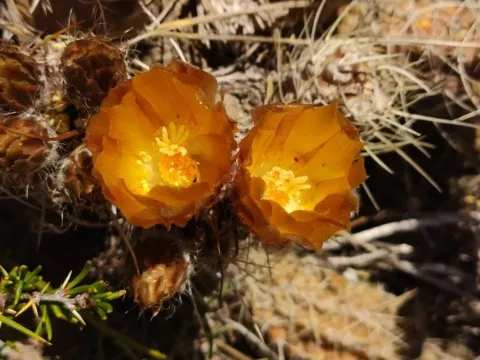
Austrocactus
Austrocactus
Sowing Austrocactus seeds should be scheduled for the spring season to maximize the available sunlight during the early growth stages. Optimal results are typically achieved when seeds are sown in March or April.
What the section contains

Austrocactus
A well-draining, mineral-heavy substrate is essential for seed germination. Seeds should be scattered on the surface and pressed lightly into the soil without covering them, as they require light to germinate effectively.
Maintaining a constant temperature between 22 and 25 degrees Celsius is crucial. The germination container should be kept in a humid environment, often using a cover to retain moisture during the initial weeks.
Ventilation is equally important once the first signs of germination appear. Gradually acclimatizing the seedlings to ambient humidity helps strengthen their epidermis and prevents common damping-off fungal infections.
Seedlings develop slowly, and the first transplanting should only occur when they are robust enough to handle the stress. This process usually takes place several months after the initial sowing, ensuring each plant has enough space to grow.
Austrocactus species originate from the high-altitude, windswept regions of Argentina and Chile. Consequently, these plants are highly adapted to intense light, fresh air circulation, and significant temperature fluctuations.
The potting mix must prioritize drainage above all else. A standard mix should include grit, coarse sand, and a small percentage of peat or loam to provide the necessary structure for the root system.
Watering requires strict discipline, especially in domestic cultivation. The substrate should be allowed to dry out completely between waterings, as these plants are highly sensitive to moisture trapped around the root neck.
During the growing season, exposure to full sun is mandatory. Inadequate light will cause the plant to stretch and lose its structural integrity, making it susceptible to disease and inhibiting future flowering.
The winter dormancy period is essential for the reproductive success of the plant. A cool, dry environment with temperatures between 5 and 10 degrees Celsius triggers the internal biological cycles necessary for spring bloom.
Spider mites are a persistent threat to Austrocactus, especially in dry environments with poor air circulation. They cause fine webbing and yellowing patches on the stem, which can permanently scar the plant's appearance.
Root mealybugs can infest the underground parts of the cactus, often going undetected until the plant shows clear signs of decline. Systemic insecticides are recommended for effective control and prevention of such infestations.
Fungal rots, particularly those attacking the base of the stem, occur when moisture levels remain too high. Immediate intervention, including drying the soil and removing infected tissues, is necessary to save the specimen.
Proactive management of the growing environment is the best defense against pests and diseases. Regular observation and maintaining proper irrigation protocols significantly reduce the risk of biological threats.
- Use of inorganic, sterile growing media.
- Regular inspection for white cottony residues.
- Application of systemic pesticides when necessary.
- Maintaining optimal airflow around the stem.