
Austrocylindropuntia subulata
Austrocylindropuntia subulata
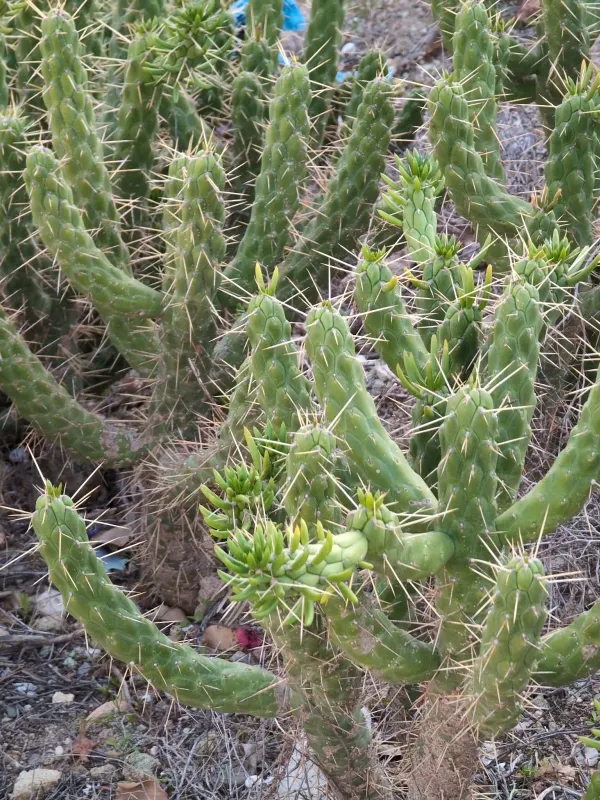
Description
Growing requirements
Austrocylindropuntia subulata, commonly known as Eve's Needle, belongs to the family Cactaceae. This succulent perennial is native to the high-altitude regions of the Andes in South America, particularly thriving in Peru and Ecuador.
The plant features distinct cylindrical stems covered with persistent, needle-like leaves. Unlike many other cacti, these leaves remain on the new growth for an extended period, giving the plant its unique, architectural appearance.
Cultural requirements involve full sun exposure to maintain structural integrity and prevent etiolation. In environments with poor lighting, the stems become weak, elongated, and prone to mechanical damage.
The soil substrate must be highly porous and well-draining. A typical mix includes coarse sand, pumice, and grit to ensure that water does not accumulate around the root system, which is highly sensitive to dampness.
Maintenance involves seasonal watering cycles. During the active growth phase, water should be applied only after the soil has dried out completely. In winter, the plant enters dormancy and requires a cool, dry environment.
Main diseases and pests
The most common pests affecting this species include spider mites, which thrive in hot, dry conditions. They suck sap from the stem, leading to discolored patches and weakened growth.
Root rot, caused by fungal pathogens in overwatered soil, is the primary threat to the health of Austrocylindropuntia subulata. It is often fatal if not identified and treated early by removing affected roots.
Mealybugs are another frequent pest, often found in the crevices of the needle-like leaves. Manual removal or application of horticultural oils is usually effective if the infestation is addressed promptly.
Poor ventilation can lead to the development of surface molds, particularly in humid greenhouses. Maintaining a consistent airflow around the plant helps mitigate the risk of fungal proliferation.
When chemical treatment is necessary, it is vital to use products specifically formulated for succulents to avoid damaging the protective waxy layer of the cactus epidermis.