
Black-spined prickly pear
Opuntia atrispina
Description
Growing requirements
Opuntia atrispina, commonly known as the black-spined prickly pear, is a perennial succulent belonging to the Cactaceae family. It is native to the arid environments of the Southwestern United States and Northern Mexico.
This species is well-adapted to extreme environmental conditions, thriving in regions characterized by high temperatures and significant periods of drought. It requires full sunlight exposure to maintain structural integrity.
For optimal growth, the soil must be porous, well-draining, and slightly alkaline. Heavy, clay-based soils are unsuitable because they retain too much moisture, which is detrimental to the cactus root system.
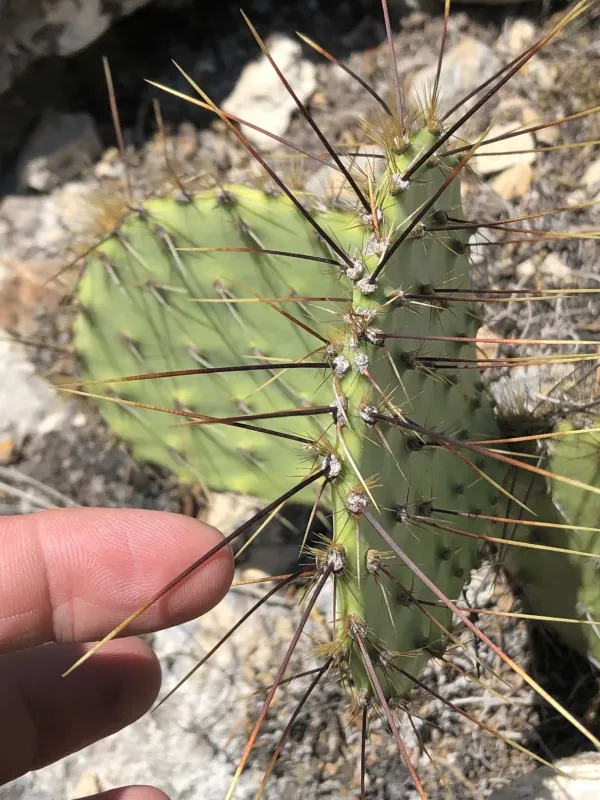
Botanically, the plant features flattened cladodes protected by distinct dark-colored spines. These spines serve as both a defense mechanism against herbivores and a way to mitigate high-intensity solar radiation.
Agricultural management is relatively low-input, focusing primarily on site selection. Ensuring proper spacing between plants is crucial to facilitate air circulation and reduce the risk of dampness-related diseases.
Yield
The primary agricultural output of Opuntia atrispina includes edible fruits, which are processed into jams, syrups, and fresh market commodities due to their rich nutritional profile.
The plant biomass is increasingly recognized as a sustainable forage source for livestock in desert climates, provided that spines are removed through mechanical processing.
Industrial applications include the extraction of pigments and natural compounds used in the food and cosmetic industries, enhancing the commercial value of the crop.
Yield capacity is influenced by soil nutrition and climate stability. With proper irrigation management, plantations can produce consistent harvests for several decades.
The aesthetic appeal of the plant also supports an additional revenue stream in the nursery and landscaping sectors, where it is utilized for xeriscaping projects.
Main diseases and pests
The most common pests affecting Opuntia atrispina are mealybugs and scale insects. These organisms sap the plant's vitality and create entry points for secondary bacterial infections.
Fungal pathogens, particularly those causing root rot, are the leading cause of mortality in cultivation. High humidity combined with poor soil drainage acts as a catalyst for these pathogens.
Small mammals and rodents can pose significant risks by grazing on the succulent pads. Protecting young plants with mesh fencing is a recommended practice in new plantations.
Integrated pest management strategies involve the periodic application of specific insecticides and cultural practices such as maintaining optimal plant density to ensure air movement.
Consistent monitoring and early detection of localized decay are vital for maintaining healthy stands, as damaged tissues can spread rot rapidly throughout the plant colony.