
Austrocylindropuntia salmiana
Austrocylindropuntia salmiana
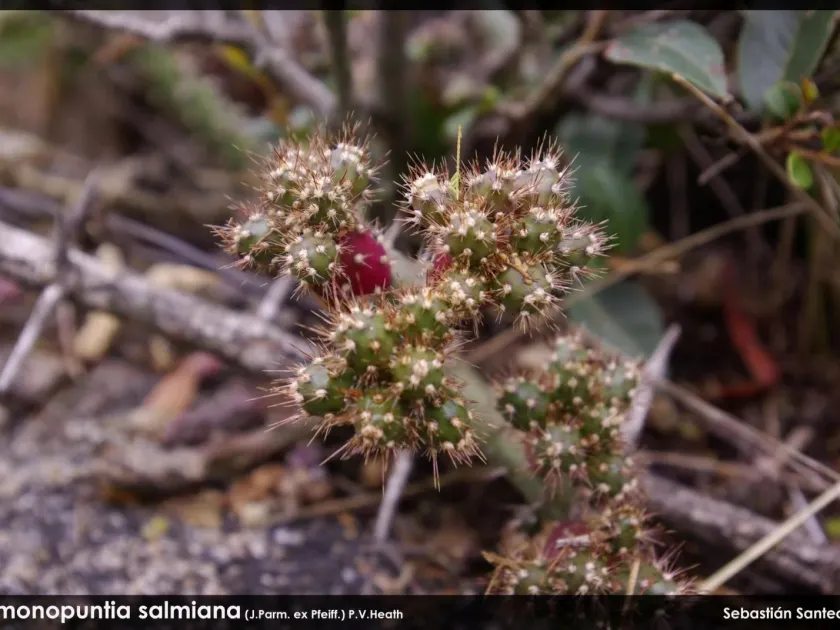
Description
Growing requirements
Austrocylindropuntia salmiana is a member of the Cactaceae family, native to the arid regions of Argentina, Paraguay, and Bolivia. It is widely recognized by cactus enthusiasts for its distinct cylindrical structure and interesting growth patterns.
The plant features slender, branching stems and small, ephemeral leaves that drop off early in the season. These physical traits are evolutionary adaptations to survive in harsh, low-rainfall environments typical of the South American scrublands.
Proper cultivation requires full sun exposure and an environment that mimics its natural habitat. The plant thrives in well-ventilated areas where daytime temperatures remain warm, while nighttime cooling helps maintain its metabolic balance.
Soil composition is critical for this species. A highly porous mix consisting of inorganic grit, coarse sand, and a small portion of organic potting soil ensures that excess water drains quickly, protecting the roots from rot.
Watering schedules should strictly follow the seasons. During the summer growth phase, water only when the substrate is completely dry. In winter, the plant must be kept dry and cool to initiate the dormancy period necessary for healthy development.
Main diseases and pests
Root rot is the most common threat, usually caused by overwatering or poor drainage. If the base of the stem becomes soft or discolored, it is often a sign of fungal infection, which requires immediate repotting and removal of damaged tissue.
Mealybugs are frequent pests for this cactus, often hiding in the crevices between branches. Their presence is usually signaled by white, cotton-like masses, which can be managed using systemic insecticides or by physical removal with a cotton swab soaked in alcohol.
Spider mites can become a nuisance during hot, dry periods with poor airflow. These tiny pests cause yellowing or brownish scarring on the epidermis of the stem, significantly affecting the plant's aesthetic value and overall health.
Prevention of pest infestations is best achieved through good hygiene and regular inspections. Keeping the growing environment clean and providing adequate space between plants significantly reduces the risk of cross-contamination.
Fungal issues can also be exacerbated by high humidity levels in winter. Maintaining a dry environment during the colder months is the most effective way to protect the plant from opportunistic infections that thrive in damp, stagnant air.