
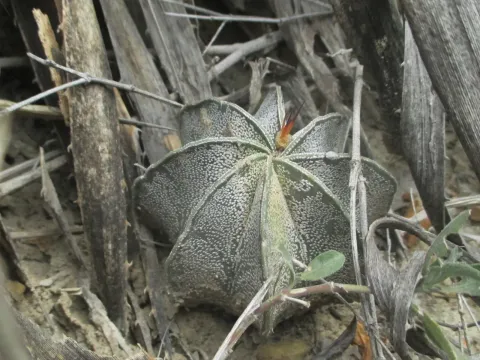
Astrophytum
Astrophytum Lem.
Sowing Astrophytum seeds is best performed in early spring when light intensity increases, promoting healthy development of the seedlings during their crucial early stages.
What the section contains


Astrophytum
The growing medium for seeds must be sterile, well-draining, and composed mainly of fine sand and perlite to prevent the damping-off disease common in young cacti.
Seed containers should be kept at a steady temperature between 22 and 26 degrees Celsius, maintaining high humidity until germination is complete.
As the seedlings grow, it is essential to increase ventilation gradually to harden the plants and ensure they develop strong epidermal tissues characteristic of the species.
Transplanting (pricking out) should only occur when the seedlings are large enough to be handled without risk, typically after their first year of development.
Astrophytum is a genus of six species of cacti in the family Cactaceae, native to the arid, rocky regions of northern and central Mexico.
These plants are adapted to extreme conditions and require full, direct sunlight throughout the year to maintain their compact, geometric growth form.
The ideal soil mix is mineral-based, consisting of gravel, sand, and a small amount of pumice, ensuring that water drains away from the roots almost immediately.
Watering must be strictly seasonal; the soil should be kept dry during the winter dormancy period and watered only sparingly during the active growing season.
Adequate air circulation is a critical component of Astrophytum husbandry, as stagnant air increases the risk of physiological stress and subsequent infestations.
Root rot is the most common fatal issue for Astrophytum, usually caused by overwatering or using a soil mix that retains too much moisture for long periods.
Mealybugs are frequently found hiding between the ribs of the cactus, where they feed on sap and cause structural damage to the plant's surface.
Scale insects can also infest the epidermis, forming hard shells that are difficult to remove without causing permanent scarring to the cactus body.
Regular inspection and the application of appropriate contact or systemic insecticides are recommended to maintain the health and aesthetic value of the collection.
- Check soil dryness regularly
- Avoid overhead watering
- Use appropriate pest control products