
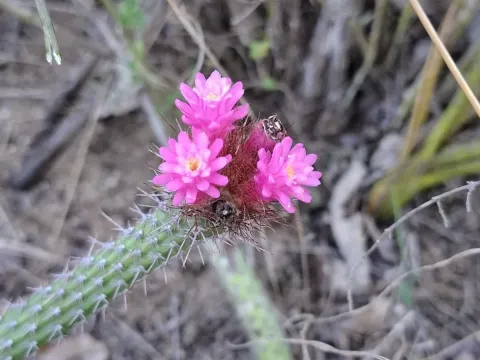
Arrojadoa
Arrojadoa
Arrojadoa is a genus of succulent plants in the Cactaceae family, comprising several species endemic to Brazil. In their natural habitat, they thrive in the arid caatinga regions, where they have evolved to withstand extreme temperatures and prolonged periods of drought.
What the section contains


Arrojadoa
Botanically, the culture consists of shrubby cacti with cylindrical stems that can be upright or branched from the base. A key feature of the genus is the presence of a cephalium—a specialized structure at the stem apex from which flowers and fruits emerge.
Successful cultivation of Arrojadoa requires well-draining substrates rich in mineral components like sand, gravel, or perlite. The plant is highly sensitive to excessive soil moisture; therefore, a high-quality drainage layer is essential to prevent root rot.
Climate requirements include intense sunlight, without which the stems lose their density and natural coloration. During the active growing season, Arrojadoa prefers moderate heat, but during the winter, the plants require a dormant period with lower temperatures and almost complete cessation of watering.
Commercial use of this culture is limited to hobbyist collections and ornamental gardening in regions with suitable climates. In specialized nurseries, Arrojadoa is propagated primarily through seeds or cuttings, which necessitates strict substrate sterilization and precise temperature management.
The primary threats to Arrojadoa health are fungal infections resulting from poor watering practices and stagnant moisture in the root zone. Rot can progress rapidly, making proactive humidity control and soil moisture management the most effective prevention strategies.
Among pests, mealybugs and spider mites pose the greatest danger, often colonizing cacti in indoor environments with poor ventilation. These insects sap nutrients from the stems, causing shoot deformation and a significant loss in aesthetic value.
Control of these pests involves the use of specialized systemic acaricides and insecticides, with effectiveness dependent on regular, diligent inspection of the plants. Biological control methods include maintaining a clean environment and optimal microclimate conditions to minimize pest susceptibility.
In outdoor conditions, plants may suffer from over-saturation during rainy seasons, requiring the use of protective shelters or covers. Nematodes, which affect the root system, represent an additional threat, often introduced through non-sterilized or contaminated planting media.
An integrated protection system for Arrojadoa includes periodic preventive applications of broad-spectrum fungicides. It is vital to note that all chemical applications on succulents should be conducted during evening hours to prevent epidermis burns caused by direct sunlight exposure.