
Austrocylindropuntia hirschii
Austrocylindropuntia hirschii
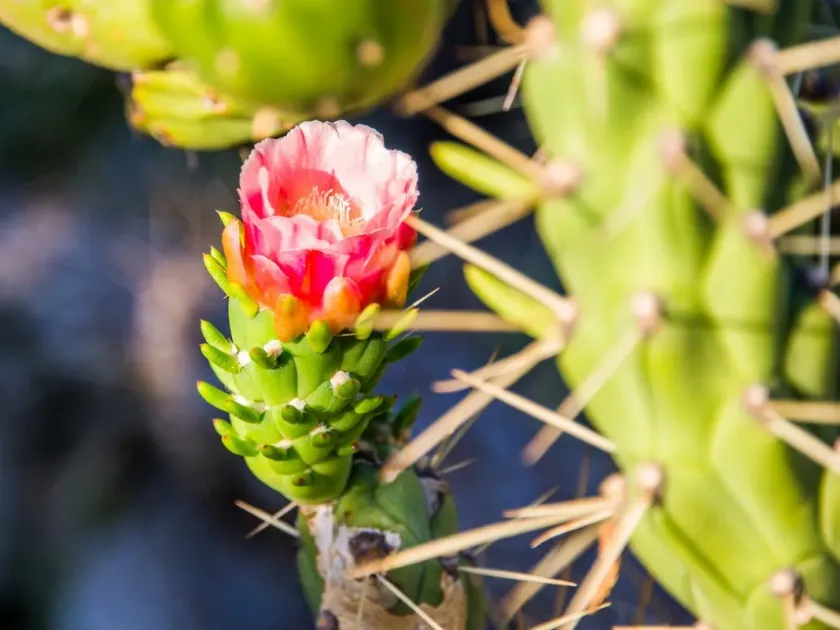
Description
Growing requirements
Austrocylindropuntia hirschii is a distinct species belonging to the Cactaceae family, native to the high-altitude regions of Peru. It is a perennial succulent adapted to harsh environments characterized by rocky terrains and intense solar radiation.
The botanical structure of this culture features cylindrical, segmented stems covered in sharp, persistent spines. These morphological traits serve as an evolutionary adaptation to preserve water and deter herbivores in its natural mountainous habitat.
Successful cultivation requires a highly permeable substrate, typically composed of coarse sand, volcanic rock, and minimal organic matter. Soil pH levels should remain between 6.0 and 7.0 to facilitate proper nutrient uptake and prevent root distress.
Temperature management is critical for the species, as it thrives in cool, well-ventilated settings. While it requires high light intensity, protection from excessive heat during the peak of summer is recommended to prevent localized tissue damage.
In terms of хозяйственное (economic) utility, Austrocylindropuntia hirschii is valued primarily for ornamental purposes. It is widely used in xeriscaping projects and botanical collections due to its robust architecture and low water maintenance requirements.
Main diseases and pests
The most significant threat to the culture is rot, caused by stagnant moisture around the roots. Overwatering, especially during the dormant season, creates an environment conducive to bacterial and fungal decay which can quickly destroy the plant.
Pest management should focus on common succulent pests such as mealybugs and spider mites. These pests thrive in dry indoor conditions and are managed through manual removal or the application of horticultural soaps and systemic insecticides when necessary.