
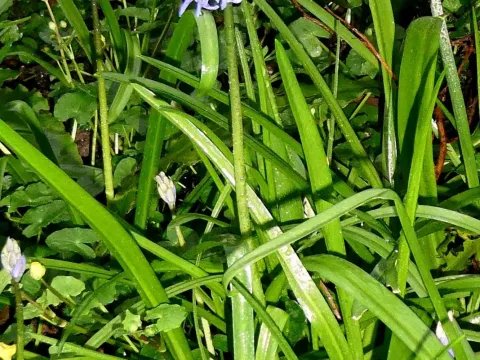
Hyacinthoides
Hyacinthoides
The planting of Hyacinthoides bulbs is typically scheduled for autumn, usually between September and October, to ensure deep root establishment.
What the section contains
 Hyacinthoides hybrid
s
Hyacinthoides hybrid
Hyacinthoides hybrids
 Hyacinthoides lingulata
Hyacinthoides lingulata
Hyacinthoides lingulata
 Hyacinthoides mauritanica
Hyacinthoides mauritanica
Hyacinthoides mauritanica
 Hyacinthoides non-scripta
Hyacinthoides non-scripta
Hyacinthoides non-scripta
 Hyacinthoides paivae
Hyacinthoides paivae
Hyacinthoides paivae
 Italian bluebell
Hyacinthoides italica
Italian bluebell
Hyacinthoides italica
 Massart's bluebell
Hyacinthoides massartiana
Massart's bluebell
Hyacinthoides massartiana
Hyacinthoides
Bulbs should be placed at a depth of approximately 10 to 15 centimeters, depending on the size of the bulb and the texture of the soil.
Adequate spacing, about 10 to 15 centimeters apart, is essential to facilitate healthy growth and prevent overcrowding within the flower bed.
Propagation through offset bulbs is the most efficient method, performed during the dormancy period after the foliage has naturally withered.
While seed sowing is possible, it is a slow process that requires patience, as the plants usually do not reach the flowering stage for several years.
Hyacinthoides, belonging to the Asparagaceae family, consists of several species of perennial bulbous plants native to the temperate regions of Europe.
These plants thrive in fertile, well-draining soils with high organic content, reflecting their natural woodland habitats beneath deciduous trees.
They prefer dappled shade or partial sunlight, making them an excellent choice for landscaping shaded garden areas or woodland margins.
Hyacinthoides are generally hardy and can withstand varying climate conditions, provided they are not subjected to waterlogged soil during winter.
Consistent moisture levels are necessary during the spring growing season to support the development of vibrant floral spikes.
High soil moisture levels significantly increase the risk of fungal infections, such as gray mold (Botrytis), which can rot the bulbs.
Pests such as bulb mites and various soil-dwelling insects may compromise the vitality of the plant, often leading to stunted growth or failure to flower.
Effective management includes maintaining proper drainage and ensuring that plants are not overcrowded, which helps in reducing humidity around the foliage.
Regular inspection of the planting site is recommended to identify any signs of infestation or rot early, allowing for timely intervention.
If symptoms of disease appear, affected bulbs should be removed and disposed of to prevent the spread of pathogens to healthy stock.
In terms of agricultural and horticultural use, Hyacinthoides serves as an important ornamental crop for early spring garden displays.
For those harvesting bulbs for propagation or trade, the process should occur only when the plant's leaves have fully yellowed and dried.
Bulbs must be cleaned of soil and debris, then cured in a cool, shaded, and well-ventilated area before being stored for the next season.
Long-term storage requires dry, cool conditions to maintain bulb health and prevent premature sprouting before the next planting window.
These plants are highly valued in landscape architecture for their ability to naturalize and create long-lasting, low-maintenance floral carpets.