
Massart's bluebell
Hyacinthoides massartiana
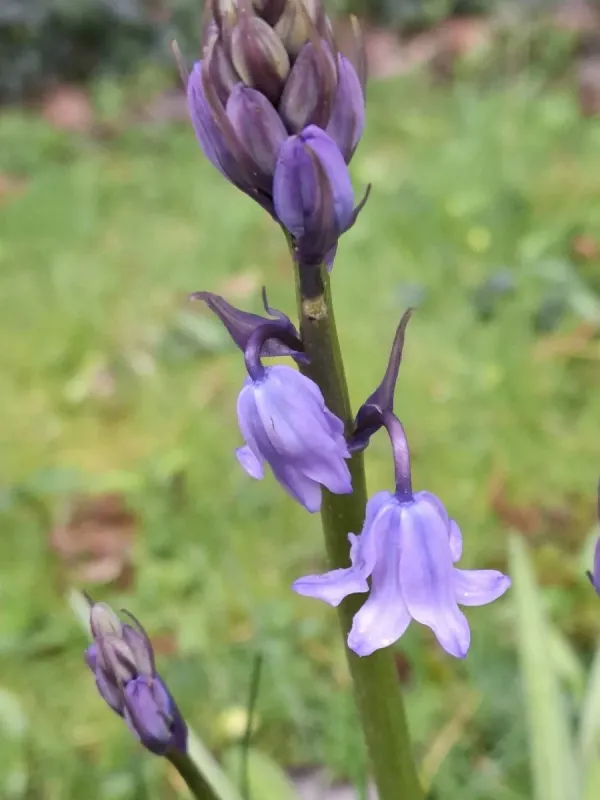
Description
Growing requirements
Massart's Bluebell (Hyacinthoides massartiana) is a distinctive bulbous perennial belonging to the Asparagaceae family. This species is native to specific regions in Western Europe, primarily thriving in woodland habitats where the microclimate is cool and protected.
The plant requires filtered light or partial shade to reach its full potential, as direct sun exposure can scorch the delicate foliage. It performs best in fertile, well-draining soils that are rich in organic matter and retain moisture without becoming waterlogged.
During the active growing season in spring, consistent moisture is essential to support the development of flower stalks and foliage. Proper site selection must include good soil structure to facilitate drainage, as wet soil in winter often leads to bulb rot.
Nutritional requirements are efficiently met by incorporating well-rotted compost into the soil bed prior to planting. A balanced, slow-release fertilizer applied in early spring can further enhance the quality and longevity of the bluebell display.
Massart's Bluebell is an excellent choice for naturalizing in woodland gardens or shaded borders. Its ability to spread via bulb offsets allows it to create dense, captivating drifts of blue flowers that return and multiply each year.
Main diseases and pests
The primary threats to this culture include fungal pathogens such as Botrytis, which can affect the leaves and flowers under humid conditions. Poor air circulation in crowded planting areas significantly exacerbates the risk of these infections.
Pest issues are commonly caused by bulb mites and soil-borne nematodes, which can weaken the vigor of the plant from below. Slugs and snails are also notorious for grazing on tender new leaves, especially in damp, shaded garden environments.
Effective management involves ensuring proper spacing between plants to allow for airflow and prevent moisture buildup. If infections appear, targeted fungicide treatments should be applied following local agricultural extension guidelines.
Implementing a strict hygiene routine, including the removal of dead or dying plant debris, helps to minimize the accumulation of spores. Monitoring the bulbs during the dormant season can also help identify and isolate infested specimens.
By prioritizing soil health and correct site conditions, the majority of pest and disease issues can be proactively mitigated. Sustainable horticultural practices ensure the long-term resilience of these attractive spring-flowering plants.