
Hosta
Hosta
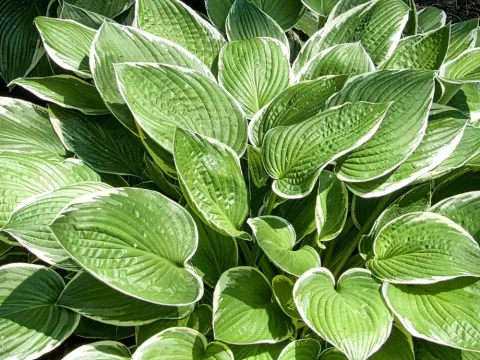
Hosta is a genus of herbaceous perennial plants belonging to the Asparagaceae family. Often referred to as plantain lilies, they are highly valued in horticultural practices for their lush foliage and diversity of leaf shapes, colors, and textures.
What the section contains
 Hosta decorata
Hosta decorata
Hosta decorata
 Hosta hybrids
Hosta lancifolia
Hosta lancifolia
Hosta hybrids
Hosta hybrids
Hosta lancifolia
Hosta lancifolia
 Hosta longissima
Hosta longissima
Hosta longissima
 Hosta nigrescens
Hosta nigrescens
Hosta nigrescens
 Hosta tokudama
Hosta tokudama
Hosta tokudama
 Hosta ventricosa
Hosta ventricosa
Hosta ventricosa
 Hosta venusta
Hosta venusta
Hosta venusta
 Mountain Hosta
Hosta montana
Mountain Hosta
Hosta montana
 Siebold's Hosta
Hosta sieboldii
Siebold's Hosta
Hosta sieboldii
Hosta
These plants are native to Northeast Asia, naturally inhabiting forests, rocky slopes, and moist meadows across Japan, China, and Korea. Their evolutionary adaptation to shaded forest floors makes them excellent candidates for low-light garden conditions.
For successful cultivation, hostas require rich, slightly acidic to neutral soil with high organic content. The soil should be well-drained but capable of retaining sufficient moisture, as these plants thrive in humid environments and struggle in arid or dry conditions.
Most varieties perform best in partial to full shade. However, their light requirements can be nuanced: varieties with blue-tinted foliage usually prefer deeper shade to maintain their coloration, while gold or variegated cultivars may tolerate more morning sun.
Maintenance involves routine watering during dry spells, application of slow-release fertilizers in the spring, and annual mulching. Hostas are remarkably hardy and, once established, can live for decades with minimal intervention, making them a staple in sustainable landscaping.
Slugs and snails are the most notorious pests of hostas, capable of destroying foliage within days during wet springs. Gardeners often use copper tape, beer traps, or iron phosphate-based bait to protect their plants from these gastropods.
Hosta Virus X (HVX) is the most significant disease threat, characterized by mottled, distorted, or necrotized leaves. As there is no cure, infected plants must be removed and destroyed to prevent the spread of the pathogen through garden tools.
Foliar diseases, such as leaf spot or anthracnose, can affect plants in areas with poor airflow and high humidity. Proper spacing between plants and keeping the foliage dry during irrigation are essential cultural practices to prevent these issues.
Root rot is typically associated with heavy, waterlogged soil conditions. Ensuring proper drainage or planting on slight mounds can prevent the roots from suffocating and dying during heavy rainfall seasons.
Foliar nematodes can manifest as browning between the leaf veins, usually appearing mid-to-late summer. Because chemical control is difficult, gardeners are advised to practice strict hygiene and inspect all new plant stock thoroughly before introducing it to the garden.