
Hyacinthoides paivae
Hyacinthoides paivae
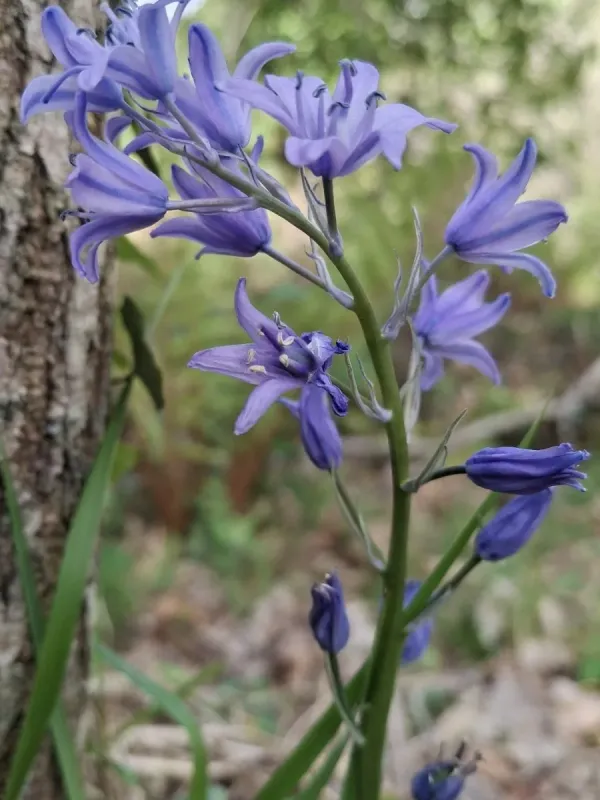
Description
Growing requirements
Hyacinthoides paivae is a perennial bulbous plant belonging to the Asparagaceae family. It is a rare, endemic species native to the northwestern region of the Iberian Peninsula, traditionally found in shaded, humid habitats.
This crop requires well-drained, humus-rich soil that mimics the forest floor environment. It thrives in locations with partial shade, as excessive direct sunlight can lead to rapid moisture loss from the soil and physiological stress.
The climate requirements include mild, oceanic-influenced winters and temperate summers. In regions with harsh continental climates, it is essential to provide winter protection or cultivate the plant in containers to ensure the longevity of the bulbs.
Cultivation practices focus on maintaining consistent soil moisture during the active growing season while ensuring excellent drainage to prevent bulb rot. Fertilizer application should be minimal and restricted to early spring to promote healthy foliage development.
The plant demonstrates a high sensitivity to soil aeration. Periodic loosening of the topsoil, combined with organic mulch, helps in maintaining the necessary structure for root system respiration and nutrient uptake throughout the vegetative phase.
Main diseases and pests
Fungal diseases are the primary threat to the health of Hyacinthoides paivae, particularly grey mold and various basal rots. These often occur when soil drainage is insufficient or when planting density is too high for proper ventilation.
Nematodes and bulb mites represent significant biological threats, as they directly attack the internal tissues of the bulb. Infested plants show stunted growth and premature yellowing, necessitating the removal and destruction of affected specimens.
Gastropods such as slugs and snails are highly attracted to the succulent new shoots during early spring. Strategic use of protective barriers around the planting beds is recommended to prevent significant aesthetic damage.
Small rodents can pose a risk, particularly when storing or planting bulbs in open ground. Using wire mesh baskets or protective barriers is a standard agrotechnical approach to prevent damage from these pests.
Maintaining proper hygiene of the growing area is crucial to minimize the buildup of soil-borne pathogens. Rotating planting spots and ensuring that the soil is properly sterilized or replenished is vital for sustained cultivation success.