
Hyacinthoides lingulata
Hyacinthoides lingulata
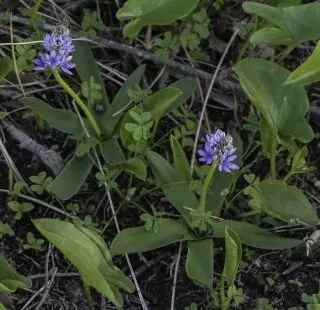
Description
Growing requirements
Hyacinthoides lingulata is a rare bulbous species belonging to the Asparagaceae family. This plant originates from the Mediterranean climate zones, specifically native to parts of Morocco, where it thrives in rocky habitats.
Botanically, it is classified as a vernal geophyte, characterized by its ability to store nutrients in bulbs during the dormant summer period. Its inflorescence typically consists of graceful, drooping bell-shaped flowers.
Cultivation requires specialized care, focusing on excellent soil drainage and exposure. The plant performs best in light, sandy-loam soils that prevent the accumulation of moisture around the bulb during dormancy.
Ideal conditions include a sunny to semi-shaded environment. It is crucial to respect the plant's cycle: active growth in spring followed by a dry rest period after the foliage dies back.
Economically and horticulturally, it serves as a high-value item for specialist bulb nurseries and botanical collections. It is rarely used in mass commercial gardening but is highly prized by collectors of rare Mediterranean flora.
Main diseases and pests
The primary threat to the health of Hyacinthoides lingulata is waterlogging. Excessive moisture, especially during the dormant season, leads to basal rot and total bulb collapse.
Fungal diseases, including Botrytis and various soil-borne pathogens, are common under improper horticultural practices. Preventive spraying with contact fungicides is recommended.
Pests like bulb mites represent a significant risk, often leading to stunted growth or complete plant decay. Soil sterilization or treatment before planting is considered standard procedure.
Slugs and snails can cause severe aesthetic and physiological damage during the early growing stages in spring, necessitating the use of organic or chemical deterrents.
Viruses transmitted by aphids can negatively affect the plant's vigor. Maintaining aphid control and using certified disease-free bulbs are essential steps in successful propagation.