
Hyacinthoides hybrid
Hyacinthoides hybrids
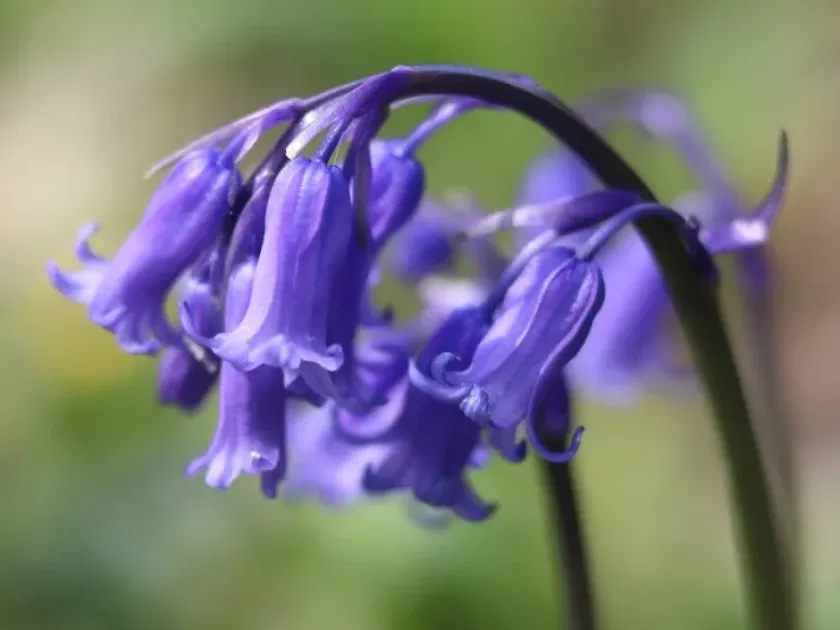
Description
Sowing dates
Planting of Hyacinthoides hybrids is best performed in the autumn, typically during September or October. This timing allows the bulbs to establish a robust root system before the onset of winter dormancy and soil freezing.
The planting depth should be approximately 10 to 12 centimeters, or about three times the height of the bulb. Maintaining a spacing of 10 to 15 centimeters between individual bulbs is recommended to ensure adequate air circulation and prevent competition for soil nutrients.
The chosen planting site must be well-drained. Before planting, the soil should be thoroughly cultivated to a depth of 20–25 centimeters, incorporating organic matter such as compost or leaf mold to improve soil structure and water retention.
Only healthy, firm bulbs should be selected for planting. Any bulbs showing soft spots, discoloration, or signs of mold must be discarded to prevent the introduction of pathogens into the garden plot.
After planting, it is beneficial to apply a layer of mulch to protect the bulbs from extreme temperature fluctuations. This layer also helps to maintain moisture levels in the soil during the early stages of spring growth.
Growing requirements
Hyacinthoides hybrids, belonging to the Asparagaceae family, are perennial bulbous plants resulting from the hybridization of various wild species. They are highly valued in landscaping for their adaptability and striking floral displays.
These plants thrive in partially shaded conditions or filtered light. Sites under the canopy of deciduous trees or shrubs are ideal, as these locations closely mimic the plant's natural woodland habitat and offer protection from the intense midday sun.
The soil should be fertile, humus-rich, and possess a slightly acidic to neutral pH level. Proper drainage is the most critical requirement, as these plants are prone to bulb rot if exposed to waterlogged conditions for extended periods.
During the active growing season in spring, consistent moisture is essential. However, the soil should never remain soggy. Once the foliage begins to wither after blooming, the plants enter a period of summer dormancy, during which they prefer drier conditions.
Hyacinthoides hybrids exhibit excellent cold hardiness. They are well-suited for temperate climates and can survive winter temperatures effectively, provided that the soil drainage is sufficient to prevent ice formation around the bulbs.
Main diseases and pests
The most significant threat to Hyacinthoides hybrids is fungal disease, particularly in overly wet soil conditions. Root and bulb rot caused by various soil-borne fungi can lead to the rapid decline of the plant if not addressed early.
Pests such as slugs and snails are common issues during the spring, as they feed on the succulent foliage. Monitoring the planting area and employing physical barriers or biological controls can effectively minimize the damage caused by these mollusks.
Nematodes represent a more severe threat, as they infest the bulb tissue and stunt plant growth. To manage this risk, it is important to practice crop rotation and avoid planting Hyacinthoides in soil previously infested with these microscopic pests.
Regular inspection of the foliage for signs of viral infections, such as mottled patterns or stunted development, is recommended. Affected plants should be immediately removed and destroyed to protect the surrounding healthy population.
Proactive management includes the application of appropriate fungicides if early signs of disease are observed. Maintaining clean gardening tools and removing debris from the site will also help reduce the overall pressure from pests and pathogens.