
Hesperoyucca
Hesperoyucca
Hesperoyucca belongs to the Asparagaceae family and is native to the arid regions of the southwestern United States and northwestern Mexico, where it thrives in extreme desert environments.
What the section contains


Hesperoyucca
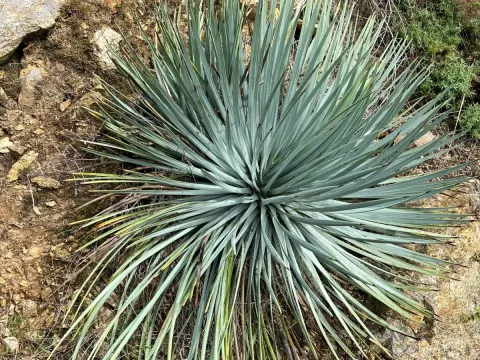
The plant is characterized by a basal rosette of sword-shaped, fibrous leaves and a dramatic, tall inflorescence that rises from the center during the peak growth season.
Successful cultivation of this genus requires well-draining, coarse-textured soils, as it is highly susceptible to root rot if the root zone remains saturated for extended periods.
Full sun exposure is non-negotiable for this species; even partial shade can lead to leggy growth, reduced vigor, and a failure to produce the characteristic towering flower stalk.
These plants are highly resilient to intense heat and prolonged water deficit, making them ideal candidates for low-maintenance xeriscaping and sustainable ornamental farming in dry regions.
The most significant threat to Hesperoyucca is fungal root rot, which typically develops in heavy, poorly aerated soils that retain moisture during the cooler months of the year.
Pest issues often involve succulent-feeding insects such as mealybugs, scale insects, and aphids, which congregate in the axils of the leaves or along the developing flower stalks.
In addition to insect pressure, snails and slugs can cause severe damage to younger, softer tissues of the plant, potentially creating entry points for secondary bacterial infections.
Managing these threats requires a prophylactic approach focused on site selection and soil amendment to ensure maximum drainage, alongside occasional inspection for early signs of infestation.
When chemical control is deemed necessary, selective insecticides that target sucking mouthparts are generally the most effective way to protect the plant while preserving surrounding beneficial insect populations.