
Keiske's lily of the valley
Convallaria keiskei
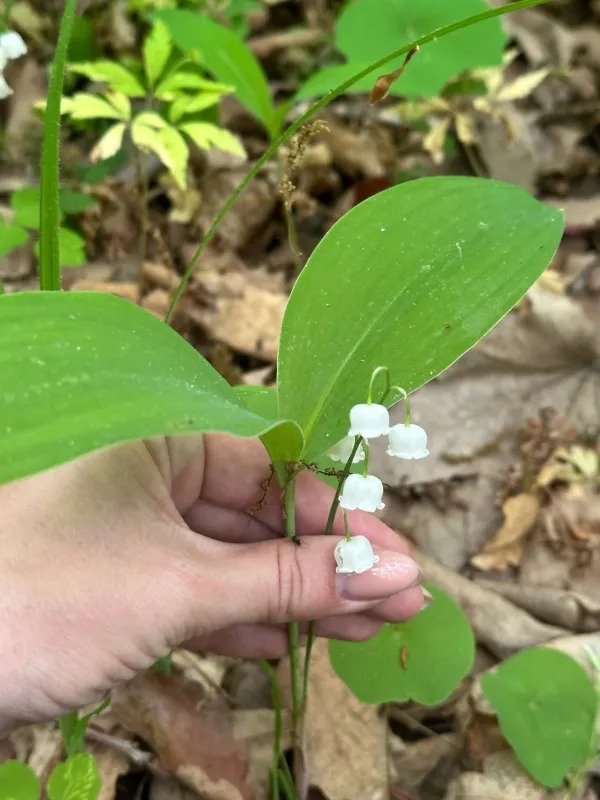
Description
Sowing dates
Keiske's lily of the valley is typically propagated through vegetative means, specifically by dividing rhizomes. The most suitable time for planting is during the autumn, which allows the root system to establish itself before the arrival of winter frosts.
Seed propagation is also possible but is significantly more challenging due to low germination rates and a long dormancy period. When using seeds, they are usually sown outdoors in the autumn to ensure they undergo the necessary stratification during the winter season.
When planting rhizomes, they should be placed at a depth of 2 to 3 centimeters, ensuring that the growth buds are pointed upwards. A spacing of about 15 to 20 centimeters between plants is recommended to allow sufficient room for the plant to spread.
The soil should be prepared beforehand by incorporating organic matter such as leaf mold or compost. This creates a nutrient-rich and loose environment that encourages rapid root development and strong growth in the subsequent spring.
As a member of the Asparagaceae family, this perennial is known for its ability to form dense carpets once established. Proper spacing and soil preparation at the time of sowing are critical for creating a long-lasting and healthy plantation.
Growing requirements
Keiske's lily of the valley is native to the forested regions of the Russian Far East, China, Japan, and Korea. Consequently, the plant thrives in conditions that mimic the temperate, shaded environments of the forest floor.
The ideal soil is moisture-retentive, rich in organic humus, and well-drained. While the plant loves humidity, it does not tolerate waterlogged conditions, which can lead to rapid root rot and the overall decline of the plant colony.
Climate requirements for this species include cool to moderate temperatures during the growing season. The plant exhibits high cold hardiness, allowing it to survive harsh winters in its natural range, provided it is protected by a layer of snow.
Partial shade is essential for the healthy growth of Keiske's lily of the valley. Direct, intense sunlight can scorch the leaves and inhibit flower production, so planting under the canopy of larger trees or shrubs is highly recommended.
Agronomic care involves consistent mulching with organic materials to maintain soil moisture and temperature. This practice also helps suppress weeds, reducing competition and allowing the colony to maintain its dominance in the selected area.
Yield
The primary agricultural and horticultural value of Keiske's lily of the valley lies in its medicinal properties, specifically the presence of cardiac glycosides. Harvesting is focused on the aerial parts of the plant during peak bloom.
Yield efficiency depends heavily on the density of the plants and the maintenance of soil fertility. With proper management, including periodic renewal of older plantations, a consistent yield of biomass can be achieved over many years.
To maximize the concentration of active medicinal compounds, harvest must be performed during the precise window when the flowers are fully open. This ensures the highest quality of raw material for pharmaceutical or herbal processing.
After collection, the aerial parts must be processed quickly. Drying is carried out in cool, shaded, and well-ventilated conditions to prevent the degradation of the delicate chemical compounds found within the tissues of the plant.
In addition to medicinal use, the plant's high yield of foliage and flowers makes it an excellent choice for groundcover in landscaping. In this context, yield is measured by the density and visual appeal of the flower beds over the course of the season.
Main diseases and pests
The most significant disease threatening Keiske's lily of the valley is gray mold, particularly in conditions of high humidity and poor air circulation. Proper spacing of plants and adequate ventilation are essential preventive measures.
Nematodes are a major pest that can severely weaken the plant by attacking the root system. Using only certified, disease-free planting material and practicing proper soil hygiene are the most effective ways to avoid infestations.
Insect pests like leaf-feeding sawflies can cause significant damage to foliage. Regular monitoring throughout the growing season allows for early intervention using biological controls or targeted insecticides to minimize the impact on the colony.
Rodents pose a threat to the rhizomes during the dormant winter months when they may seek out underground food sources. Protective barriers such as hardware cloth can be installed around the perimeter of the planting area to prevent rodent damage.
Overall, the plant's health is intrinsically linked to the quality of care provided. Avoiding excessive nitrogen fertilization and ensuring proper drainage helps maintain the natural resistance of the plant against common pathogens.
Harvesting
Harvesting is performed during the short window of maximum flowering when the plant's biological activity is at its peak. This time-sensitive task requires a planned approach to ensure that the material is harvested at the optimal quality level.
Sharp garden tools are used to cut the stems, taking care not to disturb or pull the rhizomes. Sustainability is key, so harvesters should never take more than a small portion of the foliage from any single colony to ensure its survival.
After the harvest, the material is spread thinly in a dry, dark, and well-ventilated area for drying. Careful temperature control is required, as the medicinal compounds are sensitive to heat and direct sunlight, which can destroy their therapeutic efficacy.
The storage of harvested Keiske's lily of the valley is strictly regulated due to the plant's toxic nature. Dried material must be placed in secure, clearly labeled containers in a dry, locked location away from children and pets.
Safety protocols must be strictly followed during all harvest and handling activities. Workers should wear protective gloves to prevent skin irritation or accidental ingestion, as the plant contains substances that are toxic to both humans and animals.