
Hyacinthus lineatus
Hyacinthus lineatus
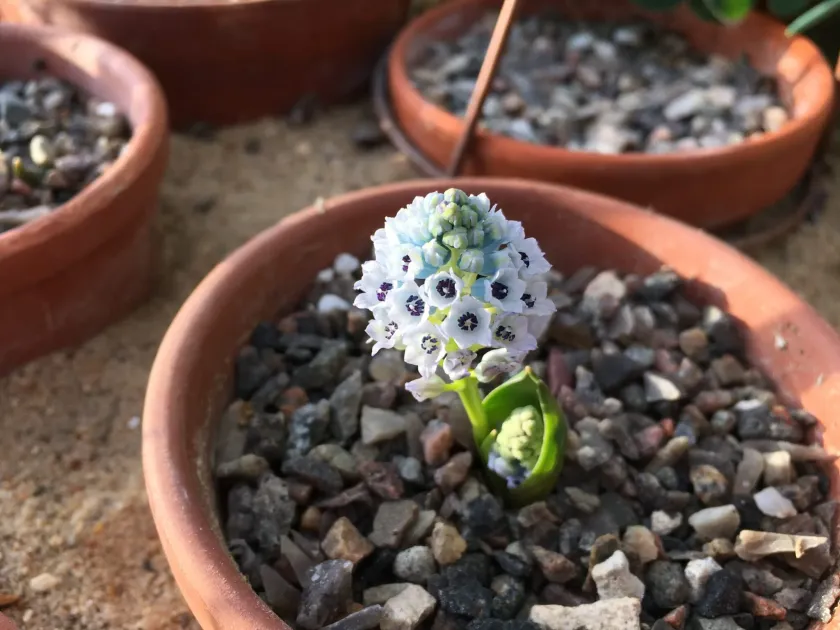
Description
Growing requirements
Hyacinthus lineatus is a perennial bulbous plant belonging to the Asparagaceae family. Unlike common garden hyacinths, this specific species is characterized by its slender foliage and preference for specialized habitats, which makes it a unique subject for botanical cultivation.
Originating from the mountainous regions of Turkey, the plant is naturally adapted to rocky terrain and high-altitude climate conditions. Its native environment consists of well-drained slopes, which dictates the specific requirements for successful garden cultivation.
The culture requires a porous, well-draining substrate to thrive. A mixture containing sand or fine grit is essential to prevent moisture accumulation around the bulb, which is the primary cause of failure in domestic cultivation attempts.
Exposure to full sunlight is critical for the developmental cycle of Hyacinthus lineatus. Adequate light intensity ensures the healthy formation of the flower stalk and enables the bulb to store sufficient energy for subsequent dormant and growing seasons.
Climatic requirements favor a distinct dry period during dormancy. The plant performs best in environments where moisture is strictly controlled during the off-season, mimicking the alpine conditions where the plant naturally transitions from dormancy to spring growth.
Main diseases and pests
The primary threats to Hyacinthus lineatus are fungal pathogens, specifically those causing basal and bulb rot. Excessive soil moisture combined with poor ventilation creates an ideal environment for Fusarium species to infect the bulb tissue.
Pests such as bulb mites and the onion fly pose significant risks to the structural integrity of the plant. These organisms feed on the bulb base, causing weakness and inviting secondary pathogens that can destroy the entire plant specimen.
Prophylactic measures, such as treating bulbs with systemic fungicides before planting, are highly recommended to establish a robust defense against soil-borne infections. Proper site selection and avoiding previous locations of bulb-related crops are essential strategies.
Nematode infestations can lead to distorted growth and overall plant decline. Management involves rigorous inspection of bulbs and the use of sterile growing media to ensure that the initial stages of plant growth remain free from harmful parasites.
Effective management requires vigilance throughout the growing season. If localized infections occur, the immediate removal and destruction of affected specimens are necessary to prevent the spread of diseases to the surrounding healthy population.