
Italian bluebell
Hyacinthoides italica
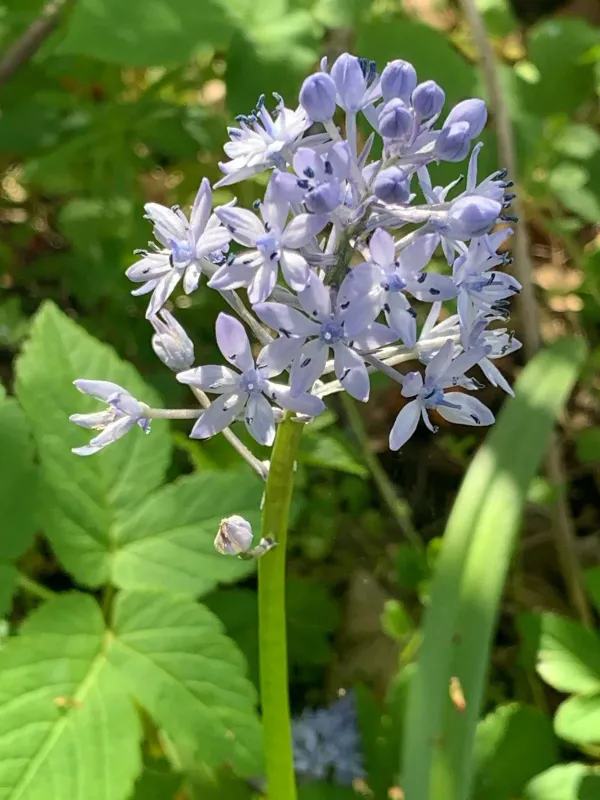
Description
Sowing dates
Planting of Italian bluebell bulbs should ideally occur in the autumn months. This allows the bulbs to establish a strong root system before the onset of winter dormancy, which is essential for vigorous spring flowering.
The planting depth should be approximately 8 to 12 centimeters, depending on the individual bulb size. Maintaining a spacing of 10-15 centimeters between plants ensures sufficient airflow and reduces the risk of overcrowding-related issues.
While spring planting is technically feasible, autumn is the preferred time for long-term establishment. Bulbs planted in early autumn benefit from the moisture cycles that facilitate natural growth progression.
Preparation of the site involves deep cultivation and the incorporation of well-rotted organic matter. This provides the soil structure necessary for rapid root penetration and initial spring development.
Once flowering has finished, it is crucial to allow the foliage to yellow and wither naturally. This senescence process is vital for the bulb to reclaim energy stores, ensuring reliable blooms in the following season.
Growing requirements
Belonging to the Asparagaceae family, the Italian bluebell thrives in well-drained, fertile, loamy soils. It cannot tolerate waterlogged conditions, which lead to rapid decay of the bulb base and roots.
Optimal growth is achieved in partial shade or dappled light conditions. Protection from intense, direct midday sun is necessary to prevent foliage scorch and dehydration during the peak growing phase.
In terms of moisture, the species requires consistent irrigation during its spring growth spurt. Conversely, the soil should remain relatively dry during the summer dormancy period to prevent fungal proliferation.
Proper drainage is the most critical element of site preparation. Incorporating coarse horticultural sand at the base of each planting hole helps maintain optimal aeration around the bulb.
Fertilization should be handled with care, focusing on potassium and phosphorus for bulb health. Excessive nitrogen applications should be avoided to prevent weak growth and increased susceptibility to pests.
Main diseases and pests
Fungal pathogens such as Botrytis and Fusarium pose a significant risk, particularly in high-humidity environments. Fungicidal dipping of bulbs prior to planting is a standard preventative measure.
Pests like bulb mites and root nematodes can severely damage the plant structure. Systemic soil treatments may be required if infestations are detected, though healthy cultural practices remain the best defense.
Gastropods, including slugs and snails, are frequent visitors that can defoliate plants in early spring. Physical barriers or eco-friendly baits are recommended for sensitive garden areas.
Small rodents can be a major challenge in some regions, often consuming bulbs during the colder months. Protective wire mesh or deep-set planting can effectively mitigate these losses.
Soil-borne diseases are cumulative, so regular rotation of planting sites is recommended to keep the pathogen load low. Avoid planting in areas where other susceptible species have recently shown signs of decline.