
Hyacinthoides non-scripta
Hyacinthoides non-scripta
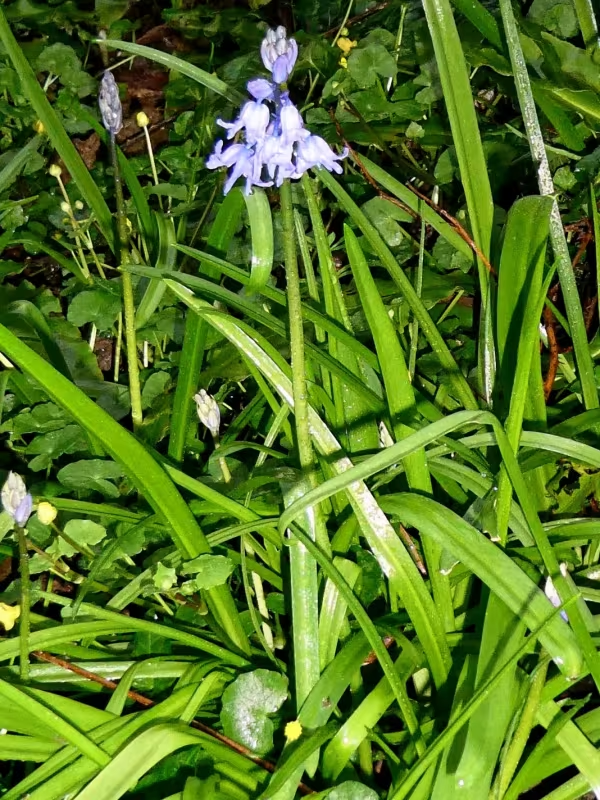
Description
Sowing dates
The optimal time for planting Hyacinthoides non-scripta bulbs is during late summer or early autumn, allowing roots to establish before winter dormancy.
Bulbs should be planted at a depth of approximately 10 to 15 centimeters to ensure they remain protected from frost and sudden temperature fluctuations.
When propagating by seed, it is essential to sow the seeds immediately after collection as they lose viability quickly if allowed to dry out.
For large-scale landscaping, bulbs are typically placed in drifts, ensuring enough space between them to allow for natural division over time.
Care must be taken during the planting process not to damage the basal plate of the bulb, as this can impede root development and nutrient uptake.
Growing requirements
This species thrives in semi-shaded environments, ideally mimicking the natural woodland habitat where it receives dappled light through a canopy.
Well-drained, humus-rich soil is necessary for healthy bulb growth, as the plant requires consistent moisture but detests waterlogged conditions.
Neutral to slightly acidic soil conditions are preferred, and incorporating organic matter into the planting site helps maintain long-term soil structure.
Hyacinthoides non-scripta is naturally adapted to cool temperate climates and is highly resilient to cold winters when properly planted in the ground.
Regular monitoring of moisture levels is required during the spring, especially if the weather remains unusually dry during the active growth phase.
Main diseases and pests
Bulb rot is a common issue when the soil drainage is inadequate, leading to the rapid decay of the bulbs, especially during wet autumns or mild winters.
Slugs and snails can cause significant aesthetic damage to the foliage, which can weaken the plant and reduce its ability to store energy for next year.
Insects like the narcissus fly larvae can tunnel into the bulbs, causing them to fail to emerge or bloom during the subsequent spring season.
Fungal pathogens such as grey mould can affect the leaves and flowers if air circulation around the plants is poor or if humidity remains high.
Integrated pest management strategies, such as maintaining clean garden beds and removing decaying plant debris, are recommended to minimize disease risk.