
Hosta decorata
Hosta decorata
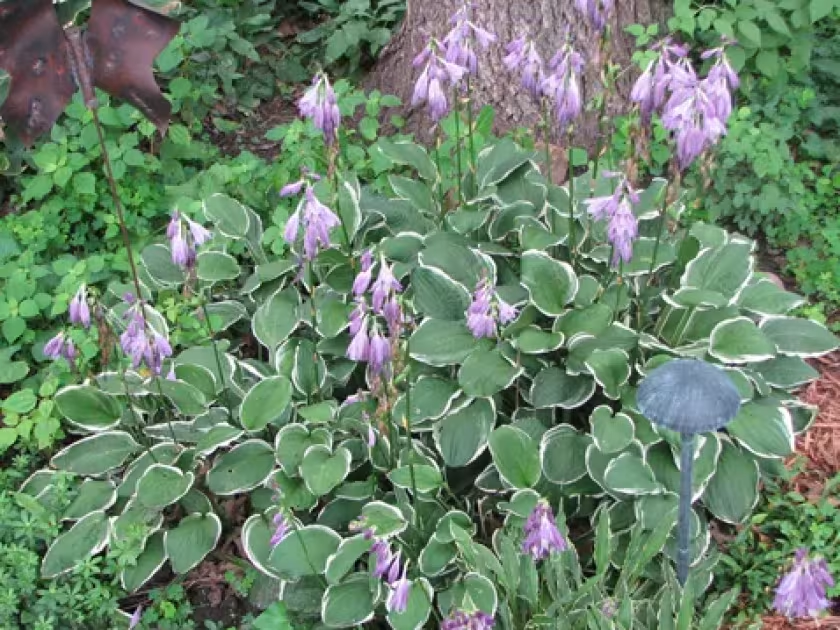
Description
Growing requirements
Hosta decorata is a perennial ornamental plant belonging to the Asparagaceae family. Native to Japan, this species is highly valued in horticulture for its distinct foliage patterns, specifically the white margins that highlight its lush heart-shaped leaves.
Botanically, the plant forms compact rosettes. Its leaves are typically thick and leathery, providing a robust appearance. During the blooming season, the plant produces attractive purple bell-shaped flowers on slender stalks, which rise above the leaf mass.
The culture thrives in fertile, moisture-retentive, yet well-drained soils. Ideally, the soil should have a slightly acidic to neutral pH. Providing organic matter such as compost or well-rotted manure during planting significantly improves growth vigor.
Climate requirements for Hosta decorata include shaded or partial-shaded environments. Direct sunlight, especially in the afternoon, should be avoided as it leads to leaf scorch. The species is highly adaptable and hardy in temperate climate zones.
Agronomic practices focus on maintaining consistent soil moisture, as drought stress negatively impacts leaf quality. Mulching is recommended to reduce water evaporation and maintain stable soil temperatures throughout the active growing season.
Main diseases and pests
Slugs and snails represent the primary pest challenge for Hosta decorata. These mollusks feed on the tender foliage, creating unsightly holes. Effective management includes using physical barriers like copper tape, eggshells, or non-toxic bait stations.
Fungal leaf spot diseases, such as Phyllosticta, can appear in environments with high humidity and poor air circulation. Proper spacing between plants and avoiding overhead irrigation can significantly reduce the risk of these infections.
Hosta Virus X (HVX) is a serious concern that can cause leaf distortion and discolored patches. Since it is transmitted primarily through contaminated tools or contact, strict sanitation protocols must be maintained during division and maintenance.
Root rot occurs in poorly drained soils where water accumulates. This condition is often fatal if not addressed early by improving drainage or transplanting the hosta to a more suitable, elevated site in the garden.
Foliar nematodes can infest the plant, causing brown stripes between leaf veins. Because these pests are internal, control is difficult, emphasizing the importance of selecting high-quality, disease-free nursery stock to prevent infestations.