
Hosta nigrescens
Hosta nigrescens
Description
Growing requirements
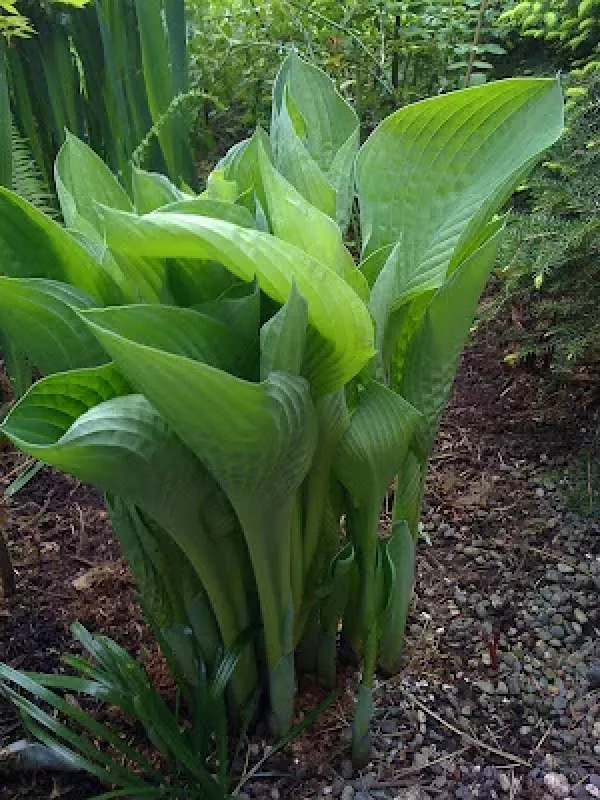
Hosta nigrescens is a perennial herbaceous plant belonging to the Asparagaceae family. Native to East Asia, particularly Japan, it is highly regarded for its structural form and deep, dark foliage.
The plant produces large, heart-shaped leaves that can appear almost black or dark green, depending on light conditions. It serves as a strong architectural element in any temperate garden design.
Regarding its environmental needs, this species thrives in partial to full shade. It requires rich, well-draining soil that retains consistent moisture without becoming waterlogged or boggy.
Agrotechnical management involves regular fertilization in early spring to support leaf development. Mulching is highly recommended to keep the root system cool and maintain the soil moisture levels essential for this plant.
In landscaping, this variety is used for ground cover, as a focal point in shade gardens, or for bordering woodland areas. Its structural integrity remains attractive from early spring until the first frost.
Main diseases and pests
Slugs and snails are the most significant pests for Hosta nigrescens, as they feed on the foliage, often leaving unsightly ragged edges. Physical barriers or iron phosphate bait are common control methods.
Fungal infections, such as anthracnose or leaf spot, may occur if the foliage remains wet for extended periods. Promoting airflow through proper spacing is the best preventative strategy for these diseases.
Root rot can occur in heavy, poorly drained clay soils. If the soil is too dense, amending it with organic matter or compost is necessary to ensure the health of the rhizomes.
Hosta Virus X (HVX) is a serious concern that can lead to mottled leaves and overall plant decline. There is no cure for this virus, so infected plants must be removed and destroyed to prevent spreading.
Maintaining a clean garden environment by removing dead debris is essential for health. Regular inspection of the undersides of leaves during the spring helps catch early signs of pest infestations.