
Hosta lancifolia
Hosta lancifolia
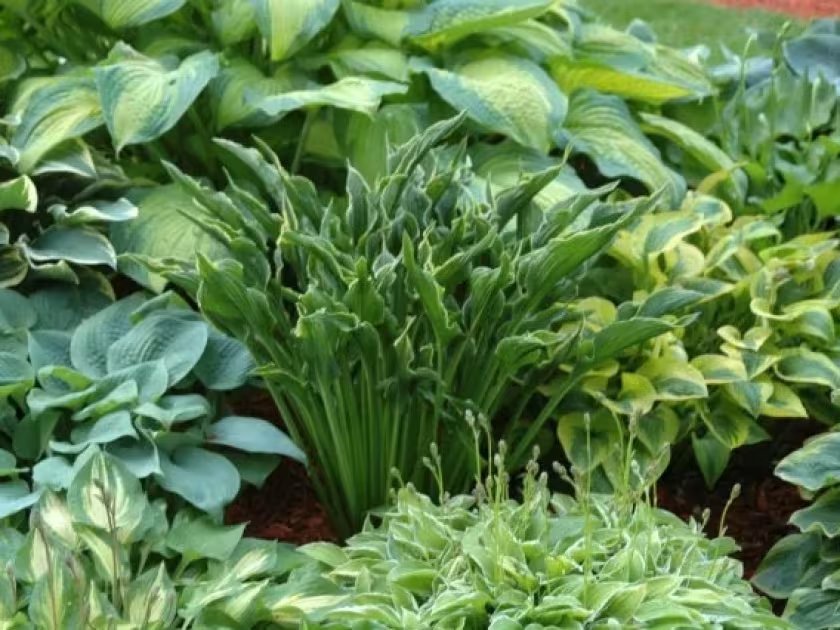
Description
Growing requirements
Hosta lancifolia, commonly known as the narrow-leaved hosta, is a perennial flowering plant belonging to the Asparagaceae family. It originates from East Asia, specifically Japan and Korea, where it thrives in moist, shaded forest habitats.
The plant is distinguished by its narrow, glossy, dark green lance-shaped leaves, which provide an elegant appearance in any garden. It forms dense, low-growing mounds that are perfect for ground cover or edging garden pathways.
To ensure optimal growth, Hosta lancifolia requires a site with partial to full shade and consistently moist, well-draining soil rich in organic matter. While it is hardy in many climates, protecting it from intense afternoon sun is essential to prevent leaf scorching.
Standard cultivation involves regular watering, especially during the peak of summer. Applying a layer of organic mulch around the base of the plant helps conserve moisture, suppress weeds, and enrich the soil as the mulch decomposes over time.
The species is highly valued in horticulture for its adaptability and low-maintenance nature. It is widely used in landscape design to bring texture to shady borders, woodland gardens, and as a decorative filler in perennial flower beds.
Main diseases and pests
Slugs and snails are the most significant pests for Hosta lancifolia, often causing extensive feeding damage to the foliage during the damp spring and summer months.
Fungal issues, such as anthracnose and leaf spot, can affect the plant if air circulation is poor or if moisture remains on the foliage for extended periods due to improper watering practices.
Root rot is a major threat in soils with poor drainage, necessitating careful site selection or the addition of organic matter to lighten heavy clay substrates.
Preventive measures include setting up barrier traps for slugs, ensuring correct plant spacing to promote airflow, and removing any decaying plant debris from the garden bed.
Early detection of pests or foliage discoloration is key to effective management, allowing for the quick application of biological controls or specialized fungicides when necessary.