
Hosta ventricosa
Hosta ventricosa
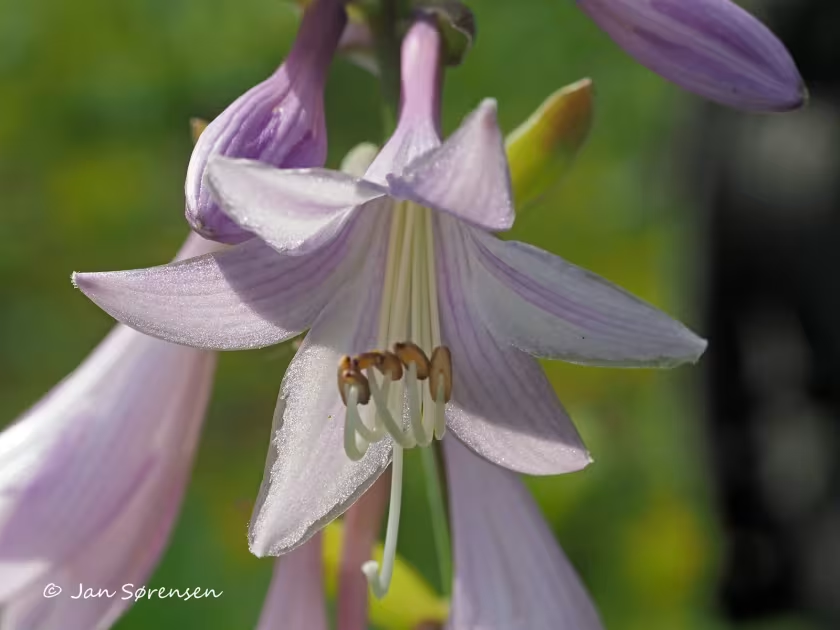
Description
Sowing dates
The propagation of Hosta ventricosa is primarily achieved through division, which is the most reliable method for maintaining the specific characteristics of the parent plant. This process is ideally carried out during the early spring before the foliage expands fully.
Alternatively, the plant can be grown from seeds collected after the flowering period. Seeds require a period of stratification to improve germination rates, and they should be sown in a sterile, well-draining seed-starting mix under controlled light conditions.
When planting divisions into the open ground, it is essential to ensure that the crown of the plant is set at the correct depth. Planting too deeply can cause rot, while planting too shallow may lead to the desiccation of the roots during dry spells.
Proper spacing is a critical factor for the long-term health of the plants. A distance of 50 to 60 centimeters between plants is generally recommended to allow sufficient airflow and prevent competition for water and essential soil nutrients.
Post-planting maintenance includes a thorough watering session and the application of organic mulch. Mulching helps to preserve soil moisture, suppress the growth of competitive weeds, and regulate the temperature around the sensitive root zone.
Growing requirements
Hosta ventricosa belongs to the Asparagaceae family and is widely recognized for its deep green, heart-shaped leaves and tall, violet-colored flowers. It is native to Eastern Asia and thrives in regions that mimic its natural woodland habitat.
The plant performs best in nutrient-rich, moist, yet well-drained soils. A pH level between 6.0 and 7.0 is considered optimal for nutrient uptake, although the species is quite adaptable to various soil types found in typical garden environments.
Shade tolerance is one of the key horticultural features of this species. While it thrives in partial shade to full shade, it requires adequate light to develop its characteristic leaf color and bloom effectively during the mid-summer months.
Hosta ventricosa is characterized by its significant hardiness and ability to thrive in varied temperate climates. It does not require intensive climate control, making it an excellent candidate for low-maintenance perennial landscape projects.
Regular fertilization is beneficial during the active growing season. Applying a balanced slow-release fertilizer in early spring promotes robust foliage development, while adequate irrigation during mid-summer heat prevents edge browning and leaf wilting.
Main diseases and pests
Slugs and snails are the most prominent pests for Hosta ventricosa, as they feed on the succulent leaf tissue. Management involves using physical barriers, such as copper tape or crushed eggshells, alongside environmentally friendly molluscicide baits.
Fungal diseases like crown rot and leaf spot can become problematic in damp, poorly ventilated garden settings. Improving drainage and ensuring that irrigation is directed at the base of the plant rather than the leaves reduces these risks significantly.
The Hosta Virus X (HVX) is a major concern that manifests as mottled leaves and stunted growth. Because there is no chemical cure for this virus, infected plants should be removed and disposed of carefully to protect the surrounding healthy population.
Foliar nematodes are microscopic pests that cause necrotic streaks between the leaf veins. Controlling them is difficult, so prevention through the use of sterilized planting tools and buying only certified healthy nursery stock is the primary defensive strategy.
Sanitation practices are essential for keeping Hosta patches healthy. Removing dead foliage at the end of the season and cleaning garden tools regularly are simple yet effective ways to reduce the pressure from various pathogens throughout the year.