
Hosta venusta
Hosta venusta
Description
Sowing dates
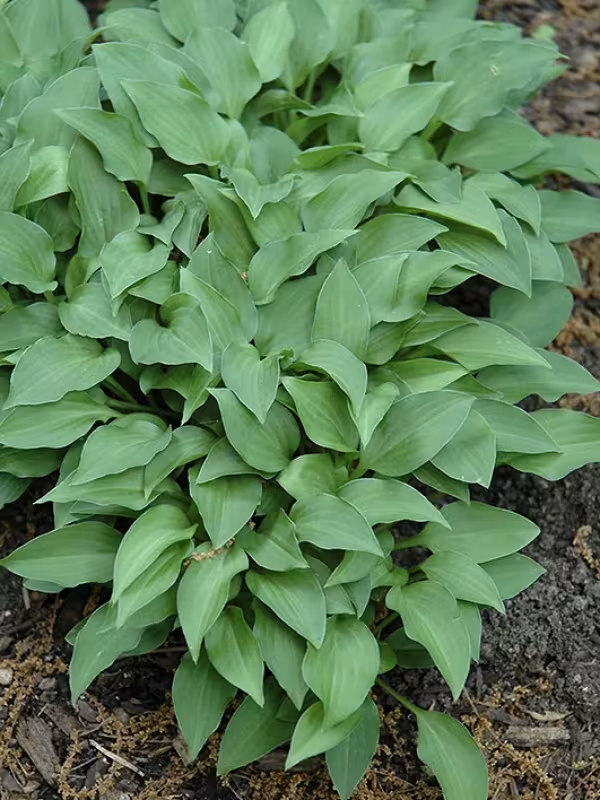
Hosta venusta is a miniature perennial herbaceous plant that belongs to the Asparagaceae family. Native to the Jeju Island in South Korea, this species naturally thrives in moist, rocky mountainous environments where it receives filtered light.
The primary method of propagation is division of the rhizomes, which is best performed in early spring or late summer. This technique ensures that the resulting plants maintain the exact genetic and aesthetic characteristics of the parent specimen.
When propagating via seeds, they must be sown in a light, well-draining substrate. Seeds of Hosta venusta typically require a period of cold stratification to break dormancy, after which they should be kept in a controlled environment with temperatures around 20–22 degrees Celsius.
When transplanting, place individual sections at a distance of 20 to 30 centimeters from one another. It is essential to bury the rhizome so that the crown remains at the soil surface, as burying it too deeply can impede growth and cause rot.
Consistent care during the establishment phase is critical for the long-term success of the plant. A well-placed hosta can live for over a decade in the same spot, provided that it is divided every few years to maintain its vigor and leaf density.
Growing requirements
This species is highly shade-tolerant, making it an excellent choice for woodland gardens or shaded borders. It requires an environment with dappled sunlight, as direct midday sun can cause severe scorching of the foliage, especially in warmer climates.
Hosta venusta prefers rich, humus-filled loamy soil that is consistently moist but possesses excellent drainage capabilities. While it enjoys water, it does not tolerate waterlogged soil, which can lead to rapid decay of the root system.
A soil pH range between 6.0 and 7.0 is considered optimal for the healthy development of this perennial. Amending the planting area with organic matter such as compost or leaf mold improves both the nutritional value and the structural integrity of the soil.
In hot and dry conditions, mulching is highly recommended to help preserve soil moisture and regulate ground temperature. A layer of organic mulch also suppresses the growth of competitive weeds and breaks down over time to feed the plants.
Watering should be conducted directly at the base of the plant to avoid wetting the leaves, which can promote fungal growth. Regular moisture monitoring is essential, as the soil should not be allowed to dry out completely during the active growing season.
Main diseases and pests
Slugs and snails are the most significant pests for Hosta venusta, often feeding on the leaves at night and causing unsightly holes. Integrated pest management, including copper barriers or organic bait, is often necessary to protect the plant's aesthetic value.
Fungal infections, such as Phyllosticta leaf spot, can occur in damp, stagnant air. Symptoms include brown spots on leaves, and management requires the immediate removal of infected foliage to stop the spread of fungal spores across the garden.
Botrytis, or gray mold, may develop under conditions of high humidity and poor airflow. To mitigate this risk, it is important to ensure that plants are spaced appropriately and that old, decaying leaves are cleared away during the autumn months.
Root rot is typically caused by overwatering or poorly draining soil. If the plant appears wilted despite moist soil, it is essential to inspect the roots, prune away any mushy tissue, and improve the drainage of the site before replanting.
Hosta Virus X (HVX) is a serious concern, as it is transmitted through contaminated tools. Maintaining strict hygiene protocols—such as disinfecting shears and spades with alcohol between plants—is the best way to prevent the transmission of viral diseases in the garden.