
Hosta tokudama
Hosta tokudama
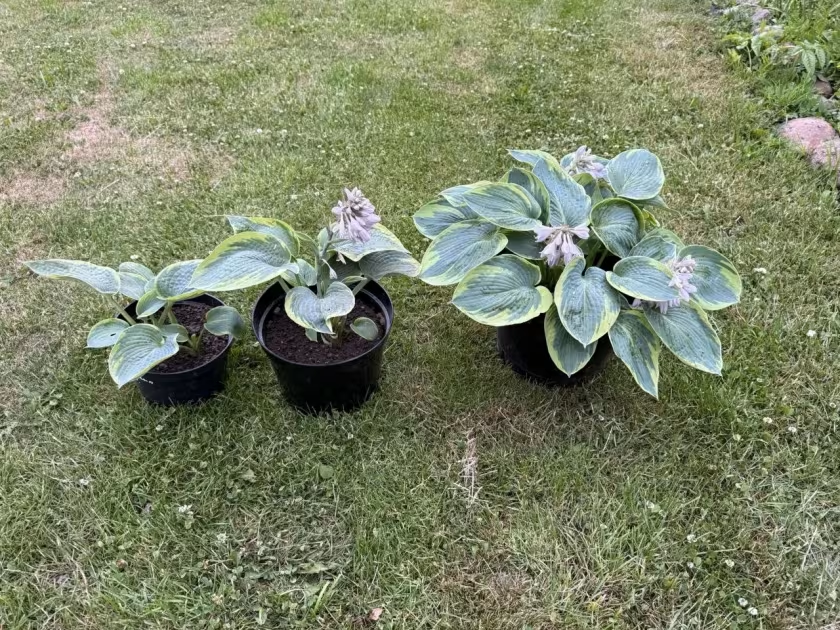
Description
Growing requirements
Hosta tokudama is a distinctive perennial belonging to the family Asparagaceae, native to the temperate regions of Japan. It is highly regarded by horticulturists for its thick, heavily corrugated, and cup-shaped leaves, which provide a unique texture compared to standard hosta varieties.
The plant thrives in partial to full shade, as it is particularly sensitive to strong direct sunlight, which can quickly dehydrate the leaves and cause structural damage. Ideal sites include sheltered spots in woodland gardens or on the north side of buildings where humidity is naturally higher.
Soil requirements involve a deep, rich, and well-draining medium with a slightly acidic to neutral pH level. Integrating organic matter, such as leaf mold or compost, at the time of planting encourages vigorous root development and maintains the essential moisture levels required for the growing season.
Agricultural management primarily involves consistent irrigation during dry spells to ensure the soil remains moist but not waterlogged. While the plant is drought-tolerant once established, supplemental watering during the peak of summer significantly improves leaf quality and overall plant size.
Hosta tokudama serves as an excellent ground cover or an ornamental container plant. Its slow growth habit minimizes the need for frequent division, making it a low-maintenance choice for professional landscape design and private decorative gardens alike.
Main diseases and pests
Slugs and snails are the most significant pests for Hosta tokudama, often causing unsightly damage to the foliage. Gardeners often use iron phosphate baits or physical barriers like copper tape or crushed eggshells to protect the succulent leaves from infestation.
Fungal issues, such as leaf spot (Phyllosticta), can occur in environments with poor air circulation or excessive moisture. Ensuring that the foliage remains relatively dry and providing enough space between plants helps mitigate the risk of these diseases significantly.