
Mountain Hosta
Hosta montana
Description
Growing requirements
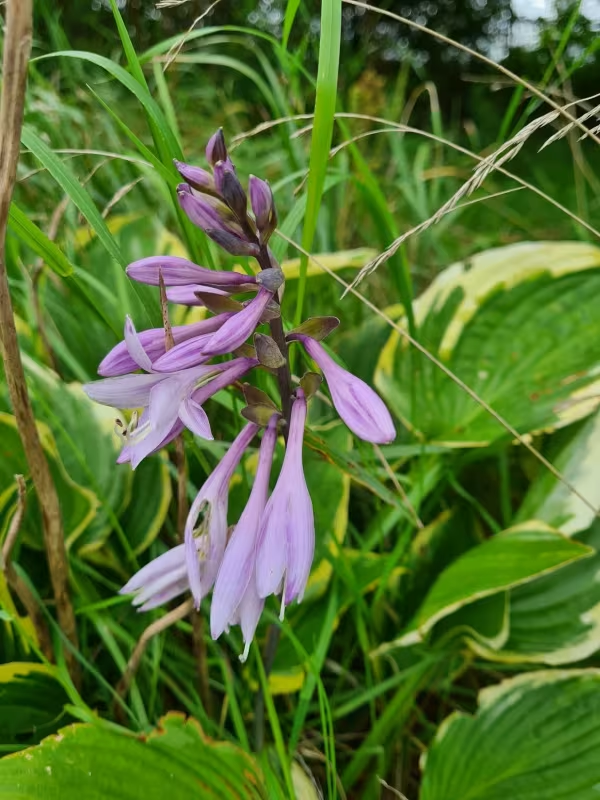
Mountain Hosta (Hosta montana) is a prominent herbaceous perennial belonging to the Asparagaceae family. Native to the mountainous regions of Japan, this species is highly adapted to shaded, moist forest environments where it thrives in rich, organic soils.
The plant is characterized by its large, cordate leaves that form a wide, dense mound. It prefers semi-shaded locations with protection from strong winds, as excessive sun exposure can quickly scorch the foliage and reduce the plant's ornamental appeal.
Soil requirements for Hosta montana are specific: it demands a fertile, well-draining substrate with a neutral to slightly acidic pH. Incorporating organic matter, such as compost or leaf mold, is essential for maintaining the moisture levels required during the growing season.
Regarding climate, the plant is exceptionally winter-hardy and enters a dormant phase during cold months. It does not require specific heat accumulation to sprout in spring, making it a reliable choice for gardens in temperate climates.
Maintenance involves consistent watering, ensuring the soil remains moist but not waterlogged. Mulching around the base of the plant is recommended to conserve soil moisture and suppress weed growth, which competes with the plant for nutrients.
Main diseases and pests
Slugs and snails are the most significant pests for Mountain Hosta. They are attracted to the succulent, broad foliage, especially in moist and humid conditions. Using copper tape barriers or eco-friendly bait can effectively mitigate this damage.
Fungal diseases like leaf spot (Phyllosticta) can occur during periods of high humidity and poor air circulation. To manage this, it is crucial to keep the leaves dry during watering and ensure adequate spacing between individual plants.
Root rot is a physiological condition caused by poor soil drainage. When planting, ensuring the site has good drainage capacity is the primary preventive measure against the death of the root system due to excessive soil compaction.
The Hosta Virus X (HVX) is a serious concern for collectors. It manifests as mottled leaves and stunted growth. Because there is no cure for this virus, infected plants must be removed entirely and destroyed to prevent spreading to healthy neighbors.
General hygiene in the garden is paramount. Sterilizing shears and tools after every pruning or division session is the most effective way to prevent the transmission of pathogens between plants in the Hosta bed.