
Hosta longissima
Hosta longissima
Description
Growing requirements
Hosta longissima is a herbaceous perennial belonging to the Asparagaceae family. This species is native to East Asia, primarily inhabiting moist, shaded environments, such as riverbanks and forested valleys in Japan, where it thrives in humid conditions.
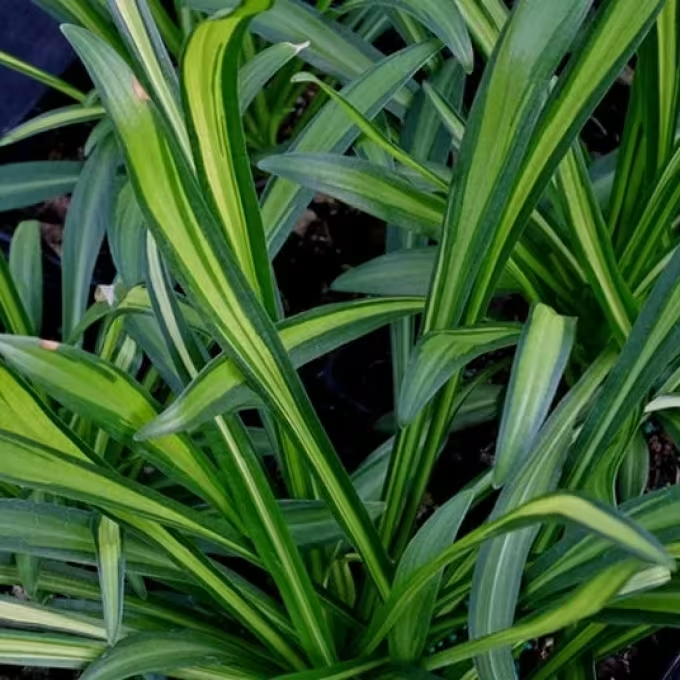
The botanical highlight of Hosta longissima is its distinct foliage, which is significantly narrower and longer than that of many other Hosta species. These elegant, lance-shaped leaves form compact, neat mounds, making them a popular choice for adding texture to shade-loving plant collections.
This plant requires partial shade to full shade to maintain its vibrant appearance. Direct sunlight, especially in the afternoon, can scorch the leaves and hinder growth, which makes planting under a dense tree canopy or on the north side of buildings highly advisable for healthy development.
The soil should be rich in organic matter, loose, and consistently moist but well-drained. Incorporating compost or well-rotted leaf mold into the planting hole helps provide the nutrients required for vigorous spring growth and supports the long-term health of the root system.
In terms of climate, Hosta longissima is generally hardy and can withstand varying temperature ranges, provided it is protected from extreme desiccation. During cold winters, applying a layer of organic mulch around the base of the plant provides excellent protection for the crown against freezing temperatures.
Main diseases and pests
Slugs and snails are the most significant pests for Hosta longissima, often leaving jagged holes in the foliage that significantly reduce the plant's aesthetic appeal if left unchecked during the growing season.
Fungal diseases, such as leaf spot (Phyllosticta) and crown rot, can occur if the plants are placed in areas with poor air circulation or if the soil remains waterlogged for extended periods after heavy rain.
Root-knot nematodes can occasionally cause stunted growth and yellowing of the leaves. These microscopic worms target the root system, making it essential to source plants from reputable nurseries to prevent the introduction of pathogens.
Cultural control remains the primary strategy for health: providing sufficient spacing between plants allows for proper airflow, which prevents the build-up of moisture that encourages fungal pathogens.
To manage pest pressure, gardeners often use barriers like crushed eggshells or environmentally friendly baits around the plant perimeter during early spring when new shoots are emerging and are most vulnerable to feeding insects.