
Hosta hybrids
Hosta hybrids
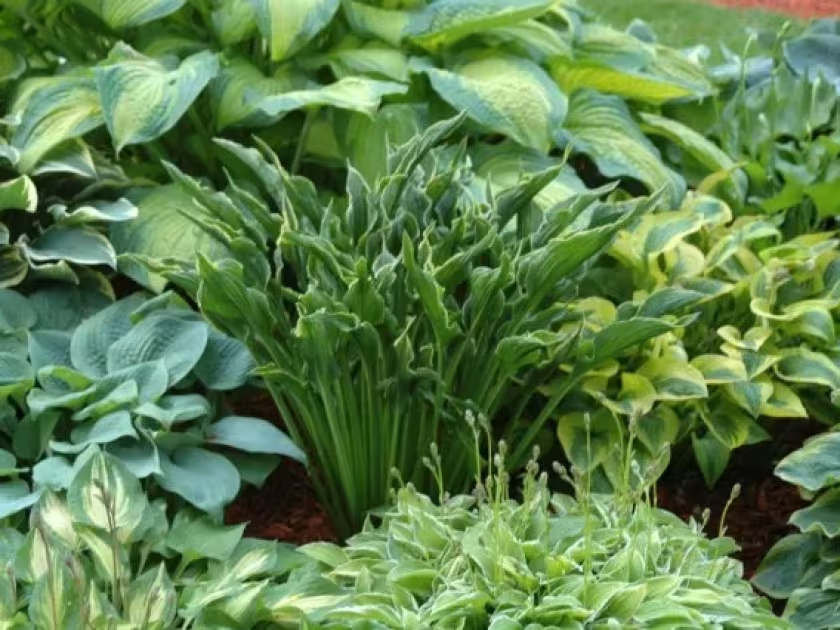
Description
Sowing dates
Hosta hybrids, members of the Asparagaceae family, are primarily propagated through division, as seeds do not always produce offspring true to the parent variety. Division is best performed in early spring as new shoots emerge or in early autumn, allowing roots to establish before winter frost.
To divide a plant, the entire clump should be lifted from the ground and carefully separated into smaller sections using a sharp, sterile tool. Each section must contain at least two or three healthy buds and a robust portion of the root system to ensure successful regrowth.
When planting, ensure the crown of the hosta is set at the same level it was previously growing. Burying the crown too deep can lead to rot, while planting too shallowly may leave roots vulnerable to drying out, especially in young, recently divided plants.
Spacing requirements vary depending on the mature size of the specific hybrid. Smaller varieties require approximately 30 cm of space, while large, specimen-sized hostas may need up to 80-90 cm to reach their full potential without overcrowding neighboring plants.
After transplanting, thorough watering is essential to remove air pockets in the soil and encourage root contact. A layer of organic mulch, such as shredded bark or compost, should be applied to maintain moisture levels and suppress weed growth during the establishment period.
Growing requirements
The majority of Hosta hybrids thrive in partial to full shade, making them ideal for woodland garden environments. While some thick-leaved, blue-toned cultivars are highly shade-tolerant, others with lighter or variegated foliage benefit from filtered morning sun to maintain color vibrancy.
Soil quality is paramount for vigorous growth; hostas require well-draining, moisture-retentive soil rich in organic matter. Amending heavy clay or sandy soils with high-quality compost or leaf mold before planting significantly improves the plant's long-term health and growth rate.
Consistent soil moisture is critical, particularly during the active growing season from spring to mid-summer. However, they are sensitive to waterlogged conditions, which can lead to crown and root rot, so proper drainage must be ensured in low-lying garden areas.
Fertilization with a balanced, slow-release granular fertilizer should be applied in early spring as leaves begin to unfurl. Avoid excessive nitrogen late in the season, as this can encourage soft, lush growth that is susceptible to winter injury and late-season pests.
Hostas are extremely cold-hardy and generally do not require special winter protection in most temperate climates. As they are deciduous, the foliage will die back after the first frost, leaving the root system dormant and protected underground until the following spring.
Main diseases and pests
Slugs and snails are the most notorious pests of hostas, as they can rapidly consume foliage, leaving behind unsightly holes. Implementing barriers like copper tape, eggshells, or applying iron phosphate-based baits can effectively mitigate damage in susceptible garden beds.
Hosta Virus X (HVX) is a significant concern, characterized by mottling, crinkling, and color-breaking patterns on the leaves. As this virus is highly contagious through sap transfer via gardening tools, infected plants must be removed and destroyed immediately to prevent widespread infestation.
Fungal issues, including Petiole Blight or Anthracnose, may emerge during prolonged periods of high humidity and poor ventilation. Keeping the area free of debris and ensuring adequate spacing between plants are the best preventative measures to discourage fungal pathogen development.
Foliar nematodes can infest hosta leaves, causing brown streaks to appear between the veins. Unlike slugs, these microscopic pests are difficult to control once established; therefore, strict sanitation of tools and purchasing healthy, certified pathogen-free stock is crucial for prevention.
Overall, maintaining a clean garden environment by removing dead foliage each winter helps reduce the overwintering sites for both pests and diseases, ensuring your Hosta hybrids remain healthy and vibrant throughout their long life cycle in the garden.