
Eriospermum paradoxum
Eriospermum paradoxum
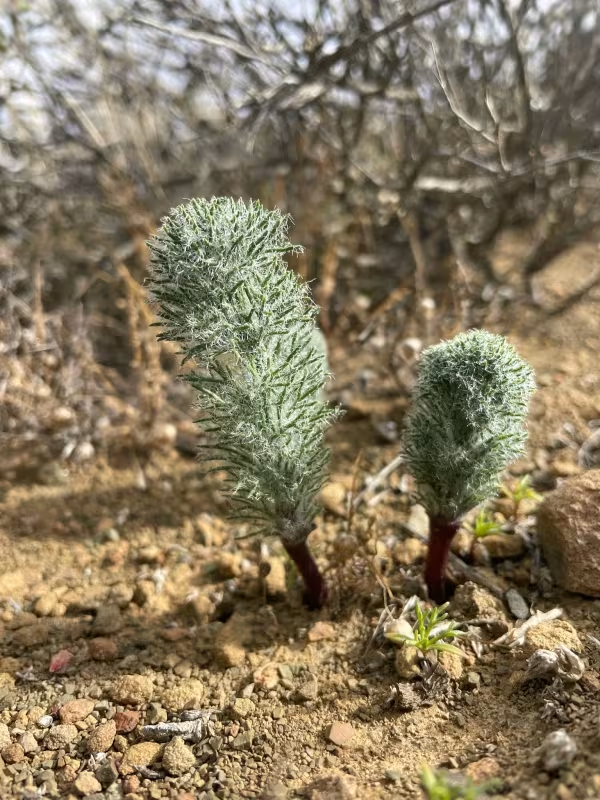
Description
Sowing dates
The propagation of Eriospermum paradoxum is primarily achieved through seeds, which must be fresh to ensure high germination rates. Sowing should be carried out in a sterile, well-draining mixture of coarse sand and perlite.
The seeds require a steady temperature between 20 and 22 degrees Celsius to trigger the germination process. It is advisable to cover the seeds with a very thin layer of sand to maintain moisture without suffocating the embryo.
Consistent light and adequate airflow are essential during the seedling stage. Humidity must be kept at a moderate level, as high moisture combined with poor ventilation can quickly lead to damping-off disease.
The development of the tuberous roots occurs slowly during the first months of life. Gardeners should avoid disturbing the young plants, allowing them to establish a strong root system before any attempt at repotting.
Vegetative propagation via tuber division is possible but extremely risky for the plant's health. It should only be attempted on mature specimens by experienced growers using sterilized equipment and antifungal dusting.
Growing requirements
Eriospermum paradoxum is a distinctive member of the Asparagaceae family, native to the arid and semi-arid landscapes of South Africa. This species has evolved to survive in highly specialized ecological niches.
The soil requirements are strict; the substrate must be inorganic-dominant, offering excellent drainage properties. A mix of sand, volcanic grit, and a small amount of peat is ideal for replicating its natural habitat.
This species thrives in environments with high solar intensity. Without sufficient light, the plant will fail to produce its characteristic foliage and may become prone to etiolation, which weakens its structural integrity.
The climate requirements mimic a desert environment with a clear distinction between the active growing season and a period of absolute dormancy. During dormancy, all water must be withheld to prevent tuber rot.
Temperature control is crucial, with a preference for warm days and significantly cooler nights. Proper ventilation during the growth phase is essential to prevent the accumulation of moisture on the foliage.
Main diseases and pests
Root rot is the most significant threat to Eriospermum paradoxum, usually resulting from excessive irrigation or water-logged soil conditions. Once root decay begins, saving the tuber becomes extremely difficult.
Pests such as mealybugs and spider mites are common in greenhouse environments. These pests hide in the crevices of the tuber or under the leaves, often going unnoticed until the infestation is severe.
Integrated pest management includes the use of selective insecticides and systemic treatments. Regular monitoring of the plant's surface is vital for early detection of any physiological stress or insect presence.
Fungal infections often enter through wounds or damaged roots. Using sterile soil and clean pots is the primary method of preventing the spread of pathogens within a plant collection.
Environmental stress, specifically improper light levels and lack of a distinct dormant season, significantly lowers the plant's natural resistance to diseases, making it more susceptible to secondary infections.