
Eriospermum cooperi
Eriospermum cooperi
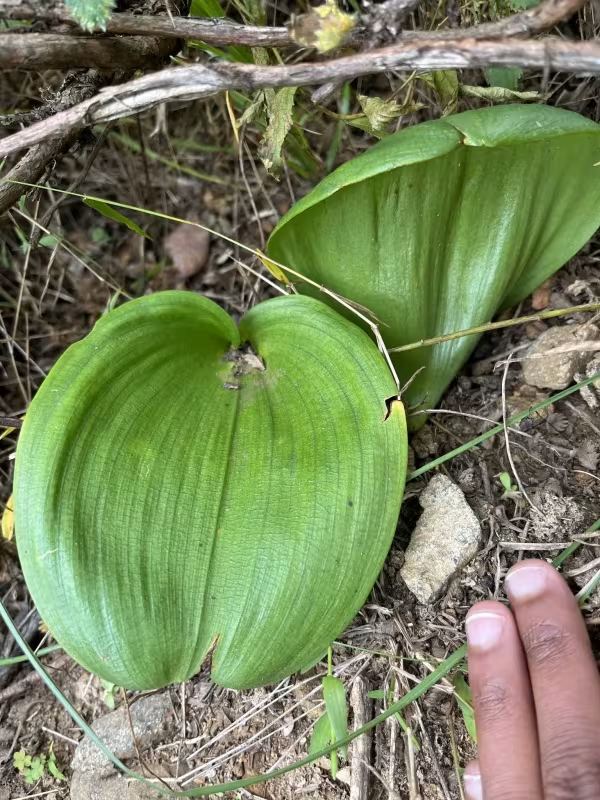
Description
Growing requirements
Eriospermum cooperi is a distinctive tuberous perennial belonging to the Asparagaceae family. Native to South Africa, it is adapted to rocky environments where water availability is highly seasonal, influencing its unique growth cycle.
The plant features a subterranean tuber that stores water and nutrients, supporting the development of a single, often pubescent leaf. This leaf emerges after a dormant period, which is essential for the plant to survive in its natural, arid habitat.
Cultivation requires a highly porous, gritty substrate. A mix of coarse sand, pumice, or perlite with a small fraction of organic matter ensures proper aeration and drainage, which is critical to preventing the tuber from decaying.
Light requirements are significant for this species. To maintain healthy foliage and proper leaf morphology, it should be kept in a bright location with indirect sunlight. Low light intensity frequently leads to etiolation and a loss of vigor.
Temperature management is crucial: during the growing season, a moderate temperature range is ideal. Once the plant enters its natural dormant state, it requires a cooling period with significantly reduced watering to trigger the next growth cycle.
Main diseases and pests
Pests such as spider mites and mealybugs represent the primary biological threats to Eriospermum cooperi. These organisms thrive in environments with low humidity and poor air circulation, often targeting the base of the leaf.
Fungal pathogens are a major concern, particularly root and tuber rot, which occur when the substrate remains saturated for too long. Overwatering is the most common cause of crop loss in this genus.
To maintain plant health, it is recommended to apply preventive measures such as ensuring consistent airflow around the foliage and strictly controlling soil moisture levels. Systemic insecticides can be used if an infestation is detected.
When transplanting, the tuber should be inspected for signs of softening or discoloration. Any compromised tissue must be carefully excised and treated with fungicide or sulfur powder to prevent the spread of decay.
Maintaining a clean growing environment and monitoring for early symptoms of stress are the best strategies for successful long-term cultivation of this sensitive succulent species.