
Eriospermum abyssinicum
Eriospermum abyssinicum
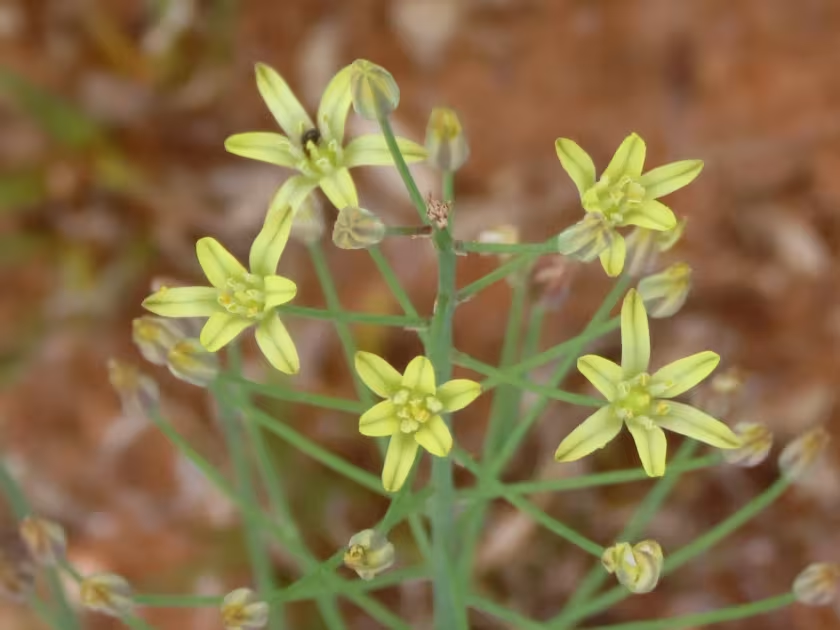
Description
Growing requirements
Eriospermum abyssinicum is a perennial tuberous herb belonging to the Asparagaceae family. Originating from the tropical regions of Africa, specifically Ethiopia, this species has evolved to thrive in environments characterized by distinct wet and dry seasons, relying on its underground tuber for survival.
The plant is distinguished by a fleshy, globular tuber that stores essential nutrients and moisture. Its foliage is typically sparse, often consisting of a single specialized leaf, which is a structural adaptation to arid environmental conditions where water conservation is critical for long-term survival.
Agronomically, the crop demands highly porous, well-drained substrate mixtures. Because the species is a succulent, moisture management is the most critical aspect of its care; water must be withheld entirely during the dormant phase to prevent the internal tissue of the tuber from rotting.
Light intensity plays a significant role in the development of Eriospermum abyssinicum. In cultivation, it requires bright, indirect light to maintain a compact growth habit. Temperatures should ideally range between 20°C and 25°C during the growing cycle, mimicking the climate of its natural habitat.
While primarily cultivated for botanical interest and specialized succulent collections, the plant represents a unique example of adaptive evolution in the plant kingdom. Its propagation is generally managed through tuber division or seed cultivation, both requiring high technical precision.
Main diseases and pests
The primary threats to Eriospermum abyssinicum are fungal infections of the root system and tuber. These diseases are almost exclusively triggered by waterlogged soil conditions, which inhibit soil aeration and create an environment favorable for opportunistic pathogens.
In terms of pests, spider mites and mealybugs are the most common concerns, especially when the plants are housed in indoor environments with limited airflow and low humidity. These pests feed on the foliage, draining the plant of resources that it needs to maintain the tuber.
Nematodes are another potential risk if the soil used for potting is not adequately sterilized or treated. Preventive measures include strict hygiene standards and the use of inert substrates that are less likely to harbor soil-borne pests or disease vectors.
Chemical intervention should be approached with caution. Systemic fungicides are effective against fungal decay, but they must be applied at reduced concentrations to ensure they do not cause phytotoxicity, as tuberous species often react poorly to concentrated pesticides.
Cultural management is the best defense against threats. By providing a clear dormancy period, allowing for adequate cooling, and ensuring that the tuber is never kept wet while dormant, the grower significantly reduces the risk of most common agricultural threats associated with this genus.