
Eriospermum titanopsoides
Eriospermum titanopsoides
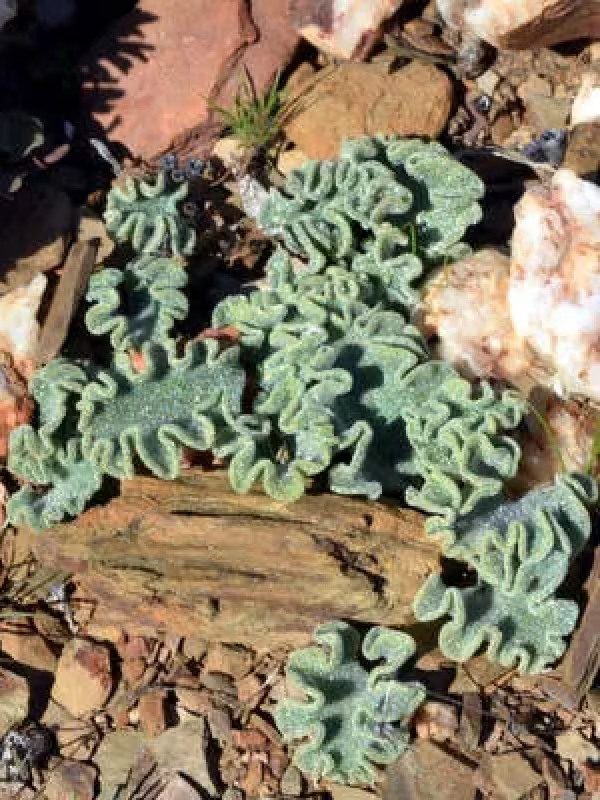
Description
Growing requirements
Eriospermum titanopsoides is a fascinating succulent species belonging to the Asparagaceae family. Originating from the arid regions of Southern Africa, it has evolved into a highly specialized plant capable of thriving in harsh, moisture-deprived environments.
In cultivation, this plant requires a highly porous and well-draining substrate. Growers typically use a mix of coarse grit, pumice, and minimal organic material to ensure that the delicate root system is never exposed to stagnant water, which is a major requirement for healthy growth.
The climate requirements include high light exposure during the active growing season. However, providing adequate ventilation is essential to prevent overheating. During the dormant season, the plant enters a period of rest, during which it requires significantly lower temperatures and complete dryness.
Agricultural management for this species is centered around mimicking the natural rainfall patterns of its native habitat. Watering should be deep but infrequent, followed by a total withdrawal of water once the foliage begins to wither, signaling the plant's entry into its dormant cycle.
Botanically, Eriospermum titanopsoides is recognized for its unique tuberous roots and distinct foliage texture, which resembles the genus Titanopsis. These adaptations are evolutionary tools that allow the plant to store energy and survive extended periods of drought.
Main diseases and pests
The primary threats to this species are soil-borne pathogens, specifically fungi, which thrive in damp conditions. Overwatering remains the most common cultural mistake, leading to soft rot and the eventual collapse of the tuber.
Pest management should focus on monitoring for mealybugs, which often colonize the crown or base of the plant. Additionally, spider mites can pose a risk in environments with very low humidity, requiring vigilant inspections and consistent airflow to mitigate infestations.